
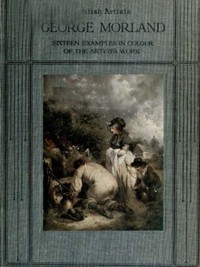
George Morland: Sixteen examples in colour of the artist's work
Written by E. D. (Edward William Dirom) Cuming
Chaptra reads alongside you — AI insights, chapter breakdowns and reader discussions for every book. Join free
About this book
Reading guide
Themes, characters and key ideas in George Morland: Sixteen examples in colour of the artist's work, written by Chaptra AI.
- about 8 hours
- intermediate
- informative
- appreciative
- historical
E. D. Cuming's "George Morland: Sixteen examples in colour of the artist's work" is an early 20th-century art publication that meticulously presents a curated selection of sixteen vibrant paintings by the British artist George Morland. Beyond serving as a visual anthology, the book offers Cuming's insightful commentary, delving into Morland's turbulent personal life marked by excesses and financial woes, which paradoxically fueled his prolific output. It highlights Morland's distinctive ability to capture the authentic essence of rural England, its inhabitants, and animal life through works like "The Dipping-Well" and "Justice; or, The Merciless Bailiff." This collection thus provides both an aesthetic appreciation of Morland's talent and a biographical lens into the complexities of his artistic journey and the varied inspirations behind his art.
“"Morland's struggles with personal excesses and financial instability contrasted with his remarkable talent and prolific output."”
Key themes
- Artistic Genius vs. Personal Struggle
- This theme explores the paradox of Morland's life, where his 'remarkable talent and prolific output' existed alongside 'personal excesses and financial instability.' The book uses Cuming's biographical introduction to frame the art, suggesting that these struggles, rather than hindering, perhaps informed or intensified his artistic vision.
- Rural Life and Social Commentary
- A central theme in Morland's art, focusing on his detailed and evocative depictions of 'the essence of rural England, its people, and their interactions.' The book showcases how Morland captured daily life, often with a subtle layer of social observation, as seen in paintings like 'Justice; or, The Merciless Bailiff,' which implies a narrative beyond mere landscape.
- The Artist's Legacy and Appreciation
- This theme concerns the book's overarching purpose: to preserve, present, and foster appreciation for George Morland's artistic contributions. Cuming's effort in curating and describing the works speaks to the enduring value of art and the importance of biographical context in understanding an artist's place in history.
Worth discussing
How does Cuming's biographical presentation of Morland's personal struggles influence the reader's interpretation and appreciation of his art?
Chapter-by-chapter breakdowns, character arcs and the full thematic analysis come with a free account.
Discussions
No one has started one yet
Questions this book opens up
No discussions yet
Be the first to start a discussion about this book!
Sign up to start the discussionReviews
No reviews yet
Be the first to review this book!