
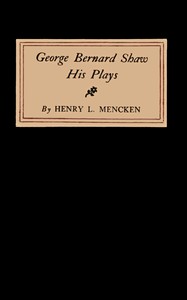
George Bernard Shaw: His Plays
Written by H. L. (Henry Louis) Mencken
Chaptra reads alongside you — AI insights, chapter breakdowns and reader discussions for every book. Join free
About this book
Reading guide
Themes, characters and key ideas in George Bernard Shaw: His Plays, written by Chaptra AI.
- about 8 hours
- intermediate
- analytical
- intellectual
- critical
H. L. Mencken's "George Bernard Shaw: His Plays" offers an early 20th-century critical examination of the celebrated playwright's dramatic works. This analytical guide dissects Shaw's plays, exploring their plots, characters, and the profound philosophical underpinnings that challenge conventional morality and societal norms. Mencken systematically reviews key plays like "Mrs. Warren's Profession" and "Arms and the Man," making Shaw's intricate narratives and ideas accessible to a wider audience. The work contextualizes Shaw's significance in modern drama, highlighting his role in sparking dynamic conflicts between personal ideals and societal expectations through innovative dialogue and character development, thereby providing a foundational understanding of his compelling critiques of humanity.
“Shaw's plays are not merely plays; they are manifestos, challenges, and intellectual skirmishes disguised as drama.”
Key themes
- Challenging Conventional Morality
- Mencken consistently highlights how Shaw's plays systematically dismantle and question the established moral codes and hypocrisies of society. Through characters who defy expectations and situations that expose double standards, Shaw forces audiences to re-evaluate their ingrained beliefs about right and wrong, particularly concerning social class, gender roles, and economic structures.
- Social Critique and Reform
- Mencken emphasizes Shaw's unwavering commitment to using drama as a tool for social commentary and, implicitly, for reform. The book details how Shaw meticulously exposes the flaws, injustices, and absurdities within various social institutions—marriage, military, class systems, and economic structures—with the aim of provoking thought and inspiring change rather than merely entertaining.
- The Power of Ideas and Intellect
- A recurring point in Mencken's analysis is Shaw's profound belief in the power of ideas and intellectual discourse to shape human behavior and society. Shaw's plays are often battlegrounds of conflicting philosophies, where characters articulate complex arguments and challenge each other's worldviews, elevating intellect and rational thought as primary forces for progress.
Worth discussing
How does Mencken's early 20th-century perspective influence his interpretation of Shaw's plays, and how might a contemporary critic approach them differently?
Chapter-by-chapter breakdowns, character arcs and the full thematic analysis come with a free account.
Discussions
No one has started one yet
Questions this book opens up
No discussions yet
Be the first to start a discussion about this book!
Sign up to start the discussionReviews
No reviews yet
Be the first to review this book!