
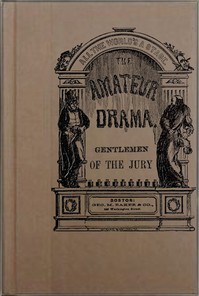
Gentlemen of the Jury: A Farce
Written by George M. (George Melville) Baker
Chaptra reads alongside you — AI insights, chapter breakdowns and reader discussions for every book. Join free
About this book
Reading guide
Themes, characters and key ideas in Gentlemen of the Jury: A Farce, written by Chaptra AI.
- about 8 hours
- intermediate
- humorous
- chaotic
- satirical
George M. Baker's "Gentlemen of the Jury: A Farce" is an early 1870s comedic play that satirizes the legal system and human nature through the chaotic deliberations of a jury. Tasked with determining the guilt or innocence of Peleg Popgun, accused of tax fraud involving his country store, the eccentric jurors engage in a series of absurd arguments and misunderstandings. The play humorously escalates with a practical demonstration of evidence—gunpowder—leading to panic and further comedic disarray. Ultimately, the verdict is reached through farcical reasoning, culminating in a twist that lampoons both judicial processes and the inherent follies of collective decision-making.
“Order, gentlemen, order! We are here to deliberate, not to debate the merits of a pigeon-fancying society!”
Key themes
- The Absurdity of the Legal Process
- The play satirizes the solemnity and supposed rationality of the judicial system by portraying a jury whose deliberations are anything but. It highlights how personal biases, illogical arguments, and chaotic decision-making can undermine the pursuit of justice, rendering the process absurd.
- Human Folly and Bias
- A central theme is the inherent foolishness and preconceived notions that individuals bring to any collective task. Each juror embodies a particular human flaw—impatience, literal-mindedness, dramatic flair—demonstrating how these traits impede rational thought and lead to comedic, yet telling, errors in judgment.
- Miscommunication and Misunderstanding
- The engine of much of the play's humor and plot progression is the constant miscommunication among the jurors. Whether through literal interpretation, distraction, or simply not listening, the characters consistently fail to understand each other, leading to escalating confusion and farcical situations.
Worth discussing
How does Baker use humor to critique the legal system in 'Gentlemen of the Jury'?
Chapter-by-chapter breakdowns, character arcs and the full thematic analysis come with a free account.
Discussions
No one has started one yet
Questions this book opens up
No discussions yet
Be the first to start a discussion about this book!
Sign up to start the discussionReviews
No reviews yet
Be the first to review this book!