
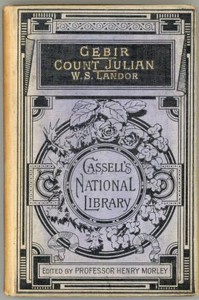
Gebir, and Count Julian
Written by Walter Savage Landor
Chaptra reads alongside you — AI insights, chapter breakdowns and reader discussions for every book. Join free
About this book
Reading guide
Themes, characters and key ideas in Gebir, and Count Julian, written by Chaptra AI.
- about 8 hours
- advanced
- Tragic
- Epic
- Contemplative
Walter Savage Landor's "Gebir, and Count Julian" is a significant poetic work from the early 19th century, intertwining classical mythology with historical tragedy. The first narrative, "Gebir," follows a Boetic prince whose ambition to invade Egypt is complicated by a burgeoning love for Queen Charoba and the romantic woes of his brother, Tamar, setting a tone of epic conflict tempered by personal desire. The second, "Count Julian," delves into the historical betrayal and profound loss of its protagonist amidst the Moorish invasion of Spain, reflecting themes of honor, sacrifice, and the devastating consequences of human actions. Together, these poems showcase Landor's lyrical mastery, engagement with classical traditions, and his profound exploration of human emotion, ambition, and the pursuit of love and justice in a world fraught with conflict and moral dilemmas.
“Gebir, the king of Baetic Spain, had heard / The name of Egypt, and its plenitude / Of rivers, fields, and cities.”
Key themes
- Ambition and Its Consequences
- This theme is central to "Gebir," exploring how the pursuit of glory and power can lead to both personal fulfillment and catastrophic downfall. Gebir's ambition to conquer Egypt drives the narrative, but it also opens him to vulnerabilities and ultimately leads to his tragic end. The poem questions the true value of conquest when weighed against personal happiness and the cost of human life.
- Betrayal, Guilt, and Loss
- Predominant in "Count Julian," this theme explores the devastating impact of betrayal, both personal and national, and the profound psychological burden of guilt and loss. Julian's story is a deep dive into the consequences of his actions, whether justified or not, and the enduring pain of a legacy marred by perceived treachery. It examines how individuals cope with immense suffering and public opprobrium.
- Love, Desire, and Personal Conflict
- Explored extensively in "Gebir," this theme delves into the complexities of human relationships and how personal desires can clash with public duties or societal expectations. Gebir's love for Charoba introduces a powerful counterforce to his ambition, creating internal turmoil. Tamar's mystical romance further illustrates the diverse and often melancholic nature of love.
Worth discussing
How does Landor's classical style influence the portrayal of epic themes in "Gebir"?
Chapter-by-chapter breakdowns, character arcs and the full thematic analysis come with a free account.
Discussions
No one has started one yet
Questions this book opens up
No discussions yet
Be the first to start a discussion about this book!
Sign up to start the discussionReviews
No reviews yet
Be the first to review this book!