
Chaptra
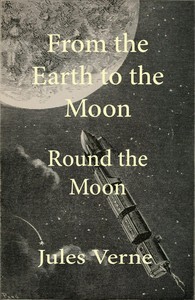
Cover of From the Earth to the Moon; and, Round the Moon

From the Earth to the Moon; and, Round the Moon

Written by Jules Verne

Not rated yet — tap a star to review it

Chaptra reads alongside you — AI insights, chapter breakdowns and reader discussions for every book. Join free

About this book

"From the Earth to the Moon; and, Round the Moon" by Jules Verne is a science fiction novel written during the late 19th century. The book explores the ambitious project of the Baltimore Gun Club, which aims to launch a projectile to the moon using advances in artillery science. The main character, Impey Barbicane, serves as the president of the Gun Club and drives the narrative as he proposes this grand experiment, igniting excitement and debate among members and the public. The opening of the book introduces the aftermath of the American Civil War, during which the Gun Club was founded, showcasing the members' skills in artillery invention and their dissatisfaction with a peacetime existence. As they languish in inactivity, Barbicane proposes the audacious idea of sending a projectile to the moon, appealing to both the club’s inventive spirit and the American public’s thirst for adventure. The ensuing excitement amongst the members sets the stage for a series of calculations and preparations that will follow, building anticipation for the ultimate test of human ingenuity and ambition.

Reading guide

Themes, characters and key ideas in From the Earth to the Moon; and, Round the Moon, written by Chaptra AI.

  • about 12 hours
  • intermediate
  • adventurous
  • optimistic
  • scientific

Jules Verne's 'From the Earth to the Moon; and, Round the Moon' chronicles the audacious endeavor of the Baltimore Gun Club, led by its visionary president, Impey Barbicane, to launch a manned projectile to the Moon. Emerging from the post-American Civil War era, the story details the meticulous scientific calculations, engineering challenges, and public excitement surrounding this unprecedented feat of human ingenuity. The narrative follows Barbicane, his rival-turned-companion Captain Nicholl, and the eccentric French adventurer Michel Ardan as they embark on a perilous journey, transforming a scientific hypothesis into a thrilling reality. The two combined novels explore humanity's relentless drive for exploration and the potential of scientific advancement, blending meticulous technical detail with high adventure and comedic relief.

What had been done could be done again. The world had just finished a great war, and now it was time for a great peace.

Key themes

Scientific Progress and Human Ingenuity
This is the central theme, exploring humanity's capacity to overcome seemingly impossible challenges through scientific knowledge, engineering skill, and relentless determination. The entire premise of the moon shot is a testament to this, with Verne detailing the meticulous calculations, material science, and construction efforts.
Exploration and Adventure
The novel celebrates the human drive to explore the unknown, to venture beyond familiar frontiers, and to experience the thrill of discovery. It's not just about reaching the Moon, but about the journey itself and the spirit of daring that propels it.
The Role of Science in Society
Verne posits science as a powerful force for progress and peace, capable of redirecting the destructive energies of war (as seen in the Gun Club's post-Civil War pivot) towards constructive and awe-inspiring endeavors. It showcases science as a public good that can unite humanity.

Worth discussing

How does Verne balance scientific accuracy and fantastical elements to create a believable narrative?

Chapter-by-chapter breakdowns, character arcs and the full thematic analysis come with a free account.

Discussions

No one has started one yet

Join

Questions this book opens up

No discussions yet

Be the first to start a discussion about this book!

Sign up to start the discussion

Reviews

No reviews yet

Be the first to review this book!