
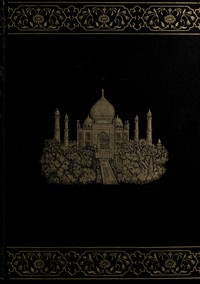
From Adam's Peak to Elephanta : $b Sketches in Ceylon and India
Written by Edward Carpenter
Chaptra reads alongside you — AI insights, chapter breakdowns and reader discussions for every book. Join free
About this book
Reading guide
Themes, characters and key ideas in From Adam's Peak to Elephanta : $b Sketches in Ceylon and India, written by Chaptra AI.
- about 10 hours
- intermediate
- reflective
- observational
- analytical
Edward Carpenter's "From Adam's Peak to Elephanta" is a late 19th-century travel narrative that meticulously documents the author's extensive journey through Ceylon (Sri Lanka) and India. Blending personal reflections with keen social and cultural observations, Carpenter offers a vivid portrayal of the diverse landscapes, vibrant societies, and complex human interactions he encounters. The book critically examines the stark contrasts between Western colonial structures and the indigenous ways of life, delving into philosophical inquiries about Eastern spirituality and the impact of modernization. Through a series of 'sketches,' Carpenter provides a nuanced perspective on the regions, aiming to capture authentic first impressions rather than relying on preconceived notions.
“It is not the grand monuments, but the subtle pulse of daily life, the unspoken philosophies of the people, that truly reveal a land's soul.”
Key themes
- East-West Philosophical Divide
- This theme explores the fundamental differences and perceived contrasts between Western thought (often characterized by materialism, industrialization, and rationalism) and Eastern philosophies (emphasizing spirituality, holistic living, and communal harmony). Carpenter often uses his observations to critically examine Western values through the lens of Eastern wisdom.
- Impact of Colonialism and Power Structures
- Carpenter observes and reflects on the visible and subtle effects of British colonial rule on the social, economic, and cultural fabric of Ceylon and India. He notes the disparities, the imposition of foreign systems, and the complex interactions between colonizers and the colonized, often hinting at a critique of the imperial project.
- Cultural Identity and Diversity
- Carpenter's narrative celebrates the rich tapestry of cultural identities he encounters, from the distinct traditions of the Cinghalese and Tamils in Ceylon to the myriad ethnic and religious groups across India. He strives to document these unique expressions of humanity, emphasizing the diversity within these regions and the specificities of local life.
Worth discussing
How does Carpenter's perspective as a late 19th-century British traveler influence his observations of Ceylon and India? Can his observations be considered objective?
Chapter-by-chapter breakdowns, character arcs and the full thematic analysis come with a free account.
Discussions
No one has started one yet
Questions this book opens up
No discussions yet
Be the first to start a discussion about this book!
Sign up to start the discussionReviews
No reviews yet
Be the first to review this book!