
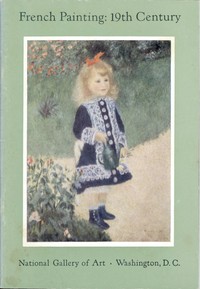
French Painting of the 19th Century in the National Gallery of Art
Written by Grose Evans
Chaptra reads alongside you — AI insights, chapter breakdowns and reader discussions for every book. Join free
About this book
Reading guide
Themes, characters and key ideas in French Painting of the 19th Century in the National Gallery of Art, written by Chaptra AI.
- about 8 hours
- advanced
- Scholarly
- Informative
- Analytical
Grose Evans' "French Painting of the 19th Century in the National Gallery of Art" offers a meticulous scholarly examination of a pivotal era in art history, tracing the evolution of French painting from the late 18th-century academic traditions through the radical shifts of the 19th century. The book focuses on how influential artists navigated and challenged prevailing artistic conventions and societal expectations to forge new expressive paths. By delving into the lives and philosophies of figures like David, Delacroix, Courbet, Monet, and Renoir, Evans illuminates the dynamic tension between established academic norms and emerging movements such as Romanticism, Realism, and Impressionism. This comprehensive account details key artistic developments, their socio-historical contexts, and how personal experiences and broader social issues collectively shaped the trajectory of modern art.
“The 19th century in French painting is a chronicle of liberation, a gradual but determined shedding of academic strictures in favor of individual vision.”
Key themes
- Tradition vs. Innovation
- This theme is central to the entire book, exploring the perpetual tension between established artistic conventions (represented by the French Academy and Neoclassicism) and the continuous drive for new forms of expression. The book details how each successive movement—Romanticism, Realism, Impressionism—emerged as a reaction against, or an evolution from, the preceding traditions, ultimately redefining the very purpose and aesthetics of painting.
- The Artist's Struggle for Expression
- The book highlights the personal and professional challenges faced by artists striving to express innovative ideas in the face of prevailing academic standards and societal expectations. It delves into their artistic philosophies and the courage required to pursue unconventional paths, often at the cost of critical acclaim or financial stability.
- The Evolution of Perception and Representation
- This theme traces the fundamental shift in how artists perceived and represented the world, moving from an emphasis on idealized forms and narrative clarity to a focus on subjective experience, optical phenomena, and the transient nature of reality. It explores how painting moved from telling stories to exploring the very act of seeing.
Worth discussing
How did the political and social upheavals of 19th-century France directly influence the stylistic and thematic shifts in its painting?
Chapter-by-chapter breakdowns, character arcs and the full thematic analysis come with a free account.
Discussions
No one has started one yet
Questions this book opens up
No discussions yet
Be the first to start a discussion about this book!
Sign up to start the discussionReviews
No reviews yet
Be the first to review this book!