
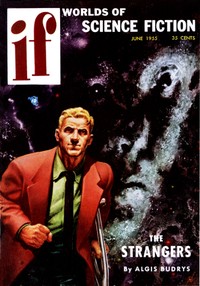
Freeway
Written by Bryce Walton
Chaptra reads alongside you — AI insights, chapter breakdowns and reader discussions for every book. Join free
About this book
Reading guide
Themes, characters and key ideas in Freeway, written by Chaptra AI.
- about 8 hours
- intermediate
- dystopian
- oppressive
- desperate
Bryce Walton's mid-20th century science fiction novella, "Freeway," plunges readers into a stark dystopian future where dissenters, labeled "Crackpots," are condemned to an endless, mandated existence of perpetual motion on the nation's highways. The narrative follows Stan and Anna Morrison, a couple trapped in this relentless journey, as they grapple with the oppressive system that denies them the most basic freedom: to stop. Stan, a former professor, desperately seeks a way out, battling the authorities while simultaneously struggling to support his wife, Anna, whose mental health deteriorates under the constant strain. Their harrowing quest for liberation culminates in a daring act of rebellion, leading them to a clandestine sanctuary where they hope to reclaim their humanity and escape the literal and metaphorical confines of their enforced journey.
“They called us crackpots, but we were just the ones who refused to be driven.”
Key themes
- Freedom vs. Control
- This is the central theme, exploring the fundamental human desire for autonomy against a system designed to exert absolute control over individuals' lives, even dictating their movement. The 'Freeway' itself is the ultimate symbol of this control, denying the basic freedom to stop or choose one's path.
- Human Resilience and Resistance
- Despite the overwhelming oppression and psychological toll, the story emphasizes the enduring human capacity to resist and seek liberation. Stan's unwavering determination to escape and protect Anna exemplifies this resilience, showcasing the spirit's refusal to be entirely broken.
- Societal Dystopia and Dehumanization
- Walton constructs a classic dystopian society where individual differences are punished, and a specific group ('Crackpots') is systematically dehumanized and exiled into a torturous existence. The story critiques the dangers of a society that prioritizes conformity and control over human dignity and well-being.
Worth discussing
How does the concept of perpetual motion on the freeway serve as a metaphor for societal control and conformity?
Chapter-by-chapter breakdowns, character arcs and the full thematic analysis come with a free account.
Discussions
No one has started one yet
Questions this book opens up
No discussions yet
Be the first to start a discussion about this book!
Sign up to start the discussionReviews
No reviews yet
Be the first to review this book!