
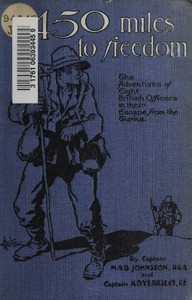
Four-Fifty Miles to Freedom
Written by Maurice Andrew Brackenreed Johnston,Kenneth Darlaston Yearsley
Chaptra reads alongside you — AI insights, chapter breakdowns and reader discussions for every book. Join free
About this book
Reading guide
Themes, characters and key ideas in Four-Fifty Miles to Freedom, written by Chaptra AI.
- about 8 hours
- intermediate
- determined
- tense
- resilient
Captain M. A. B. Johnston and Captain K. D. Yearsley's "Four-Fifty Miles to Freedom" is a poignant World War I memoir chronicling the harrowing experiences of British officers held captive by the Ottoman Empire. Following their relocation to a new prison camp in Changri after a previous escape by fellow officers, the narrative intimately details the daily privations, discomforts, and psychological toll of Turkish captivity. Driven by an unyielding desire for liberation, the protagonists, alongside a close-knit group of comrades, meticulously devise and execute a daring escape plan. The book stands as a testament to human resilience, the unbreakable bonds of camaraderie, and the relentless pursuit of freedom against formidable odds, offering a vivid glimpse into a less-explored facet of the Great War.
“"Freedom, a word that echoed in our minds day and night, a constant, burning beacon in the suffocating darkness of captivity."”
Key themes
- Resilience and the Human Spirit
- This theme explores the extraordinary capacity of individuals to endure severe hardship, maintain hope, and pursue their goals despite overwhelming odds. It highlights the psychological fortitude required to survive captivity and the relentless drive for freedom.
- The Quest for Freedom
- This central theme underscores the fundamental human desire for liberty and self-determination. It explores the lengths to which individuals will go to reclaim their autonomy, emphasizing freedom not just as a physical state but also as a profound psychological and existential need.
- Camaraderie and Brotherhood
- The memoir powerfully illustrates the vital role of mutual support, trust, and shared purpose among the prisoners. It shows how collective effort, loyalty, and the bonds forged in adversity are essential for survival and the successful execution of complex plans.
Worth discussing
How does the memoir portray the psychological impact of long-term captivity on the human spirit?
Chapter-by-chapter breakdowns, character arcs and the full thematic analysis come with a free account.
Discussions
No one has started one yet
Questions this book opens up
No discussions yet
Be the first to start a discussion about this book!
Sign up to start the discussionReviews
No reviews yet
Be the first to review this book!