
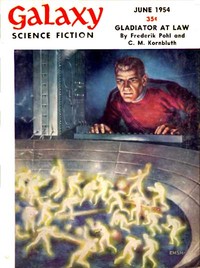
Forget Me Nearly
Written by F. L. (Floyd L.) Wallace
Chaptra reads alongside you — AI insights, chapter breakdowns and reader discussions for every book. Join free
About this book
Reading guide
Themes, characters and key ideas in Forget Me Nearly, written by Chaptra AI.
- about 9 hours
- intermediate
- mysterious
- philosophical
- tense
F. L. Wallace's "Forget Me Nearly" is a mid-20th century science fiction novel delving into the profound implications of memory manipulation on identity. Set in a future where a "retrogression gun" can erase or alter memories, the story follows Luis Obispo, a man stripped of his past and struggling to reconstruct his sense of self. His quest for truth leads him to an unsettling connection with Luise Obispo and the discovery of a sinister figure, Dorn Starret, who orchestrated their past memory loss. The novel critically examines the moral dilemmas posed by advanced technology and the fundamental human need for self-discovery and authentic connection, culminating in Luis confronting the complex duality of his existence.
“"To lose one's past is to lose the very ground beneath one's feet. What remains but a ghost in the present?"”
Key themes
- Identity and Self
- The core theme of the novel, exploring what constitutes an individual's identity when their entire past is erased. It questions the relationship between memory, personality, and the sense of self, asking whether identity is inherent or constructed, and if it can be truly 'lost' or only redefined.
- Memory and the Past
- This theme delves into the critical role memory plays in shaping individual and collective experience. It examines the fragility of memory, its susceptibility to manipulation, and the profound consequences of its loss or alteration, highlighting the human need to understand and integrate one's past.
- Ethics of Technology and Power
- The novel critically examines the moral implications of advanced technology, specifically the 'retrogression gun,' and the potential for its abuse. It explores how scientific progress, if unchecked by ethical considerations, can lead to profound violations of individual autonomy and human dignity, highlighting the corrupting nature of power.
Worth discussing
How does the concept of the 'retrogression gun' challenge our understanding of personal identity and free will?
Chapter-by-chapter breakdowns, character arcs and the full thematic analysis come with a free account.
Discussions
No one has started one yet
Questions this book opens up
No discussions yet
Be the first to start a discussion about this book!
Sign up to start the discussionReviews
No reviews yet
Be the first to review this book!