
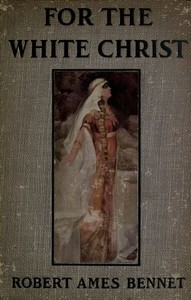
For the White Christ: A Story of the Days of Charlemagne
Written by Robert Ames Bennet
Chaptra reads alongside you — AI insights, chapter breakdowns and reader discussions for every book. Join free
About this book
Reading guide
Themes, characters and key ideas in For the White Christ: A Story of the Days of Charlemagne, written by Chaptra AI.
- about 9 hours
- intermediate
- epic
- adventurous
- tense
Robert Ames Bennet's "For the White Christ" is an early 20th-century historical novel plunging readers into the tumultuous era of Charlemagne in 778 AD, primarily focusing on the clash between the Christian Franks and pagan Vikings. The narrative centers on Roland, an honorable Frankish count, whose journey begins dramatically on a Frisian trade-ship where he protects Princess Rothada from a Viking encounter. This initial conflict sets the stage for an epic tale exploring themes of honor, loyalty, and the quest for identity amidst widespread warfare and cultural confrontation. As Roland navigates entangled fates with characters like the Viking earl Olvir, the story delves into the political landscape of Charlemagne's reign, highlighting personal valor and the broader struggle for religious and cultural dominance. The book combines action and adventure with a deeper examination of heritage and destiny in a world defined by conflict.
“"For the White Christ!" Roland's cry echoed, a shield against the pagan tide.”
Key themes
- Honor and Loyalty
- This theme is paramount, particularly through the character of Roland, who consistently demonstrates unwavering loyalty to his princess, his king, and his faith. The novel explores what constitutes honor in a brutal age, how it drives individuals, and the sacrifices it demands.
- Clash of Cultures and Religions
- The central theme revolves around the violent confrontation between the Christian Frankish empire and the pagan Viking raiders. This clash is not just military but also ideological, representing a struggle between different worldviews, legal systems, and spiritual beliefs, epitomized by the title's reference to the 'White Christ'.
- Identity and Heritage
- In a period of shifting borders and cultural amalgamation, characters grapple with their personal and collective identities. Roland embodies Frankish identity, rooted in Christianity and feudal loyalty, while Olvir represents a Norse identity tied to seafaring, conquest, and ancestral gods. The narrative explores how heritage shapes destiny and allegiance.
Worth discussing
How does Bennet portray the clash between Christian Frankish culture and Norse paganism? Is it balanced, or does it favor one side?
Chapter-by-chapter breakdowns, character arcs and the full thematic analysis come with a free account.
Discussions
No one has started one yet
Questions this book opens up
No discussions yet
Be the first to start a discussion about this book!
Sign up to start the discussionReviews
No reviews yet
Be the first to review this book!