
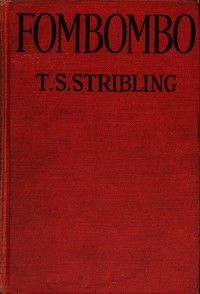
Fombombo
Written by T. S. (Thomas Sigismund) Stribling
Chaptra reads alongside you — AI insights, chapter breakdowns and reader discussions for every book. Join free
About this book
Reading guide
Themes, characters and key ideas in Fombombo, written by Chaptra AI.
- about 8 hours
- intermediate
- Adventurous
- Political
- Tense
T. S. Stribling's "Fombombo" plunges American salesman Thomas Strawbridge into the political maelstrom of early 20th-century Venezuela. Tasked with selling firearms amidst a burgeoning revolution, Strawbridge navigates the cultural complexities of a foreign land and the intricate ambitions of General Fombombo, an enigmatic revolutionary leader. The novel explores the collision of American commercial interests with Latin American political unrest, forcing Strawbridge to confront moral dilemmas and his own preconceived notions. From a weary encounter at the American consulate to his eventual entanglement with Fombombo, the story unfolds as a tense journey of business, survival, and cultural immersion in a nation defined by conflict.
“"Duty, Mr. Strawbridge, is often merely the polite word for delusion in these parts. You'll learn that quickly enough."”
Key themes
- Revolution and Political Instability
- At the heart of "Fombombo" is the pervasive theme of revolution and the chronic political instability that plagued Venezuela in the early 20th century. The novel explores the motivations behind such uprisings, the charismatic figures who lead them, and the devastating impact they have on the populace and foreign interests. It questions the nature of power, legitimate governance, and the cycle of violence.
- Cultural Clash and Misunderstanding
- The novel vividly portrays the significant cultural differences between American commercial pragmatism and Venezuelan revolutionary fervor. Strawbridge's initial inability to grasp the local customs, political nuances, and emotional intensity highlights the broader theme of cross-cultural communication breakdowns and the challenges of operating in an unfamiliar social context.
- Moral Ambiguity and Complicity
- Strawbridge's journey forces him to confront the morally ambiguous nature of his business and his growing complicity in the Venezuelan conflict. Selling weapons to a revolutionary leader blurs the lines between legitimate commerce and fueling violence, prompting questions about individual responsibility in a world where profit often trumps ethics.
Worth discussing
How does Thomas Strawbridge's American perspective shape his understanding (or misunderstanding) of Venezuela's political and cultural landscape?
Chapter-by-chapter breakdowns, character arcs and the full thematic analysis come with a free account.
Discussions
No one has started one yet
Questions this book opens up
No discussions yet
Be the first to start a discussion about this book!
Sign up to start the discussionReviews
No reviews yet
Be the first to review this book!