
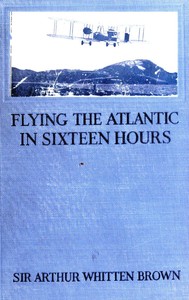
Flying the Atlantic in Sixteen Hours: With a Discussion of Aircraft in Commerce and Transportation
Written by Arthur Whitten Brown
Chaptra reads alongside you — AI insights, chapter breakdowns and reader discussions for every book. Join free
About this book
Reading guide
Themes, characters and key ideas in Flying the Atlantic in Sixteen Hours: With a Discussion of Aircraft in Commerce and Transportation, written by Chaptra AI.
- about 6 hours
- intermediate
- adventurous
- historical
- inspiring
Sir Arthur Whitten Brown's "Flying the Atlantic in Sixteen Hours" is a seminal historical account detailing the first non-stop transatlantic flight, a daring feat accomplished by Brown and Sir John Alcock in 1919 aboard a modified Vickers-Vimy bomber. The book serves as both a personal memoir of this groundbreaking journey and a broader reflection on the nascent state of aviation and its future potential. Brown meticulously recounts the preparations, the partnership with Alcock, and the myriad challenges faced during their unprecedented sixteen-hour voyage across the treacherous Atlantic. Beyond the thrilling narrative of adventure, the work also delves into the historical significance of their achievement, paying homage to aviation pioneers and contemplating the transformative impact of air travel on commerce and transportation.
“It was not merely a flight, but a statement – a declaration of man's growing mastery over the elements and the vast distances of our world.”
Key themes
- Human Ingenuity and Technological Advancement
- This theme explores the remarkable capacity of human beings to conceive, design, and build technologies that overcome immense natural barriers. The book details the engineering modifications to the Vickers-Vimy bomber, the development of navigation techniques, and the sheer intellectual effort required to make such a flight possible. It celebrates the power of science and engineering to push the boundaries of what is considered achievable.
- Courage and the Pioneering Spirit
- The book is a powerful testament to human courage and the pioneering spirit. It highlights the immense bravery required by Alcock and Brown to undertake a journey that was unprecedented and fraught with unknown dangers. Facing mechanical failures, severe weather, and the constant threat of a fatal crash, their unwavering determination and mental fortitude are central to the narrative. It's about pushing past fear for the sake of exploration and progress.
- The Transformation of Transportation and Commerce
- Beyond the immediate adventure, Brown dedicates significant portions of the book to discussing the future implications of their flight. This theme explores how aviation would fundamentally alter global transportation, shrink distances, and open new avenues for commerce and international relations. It's a forward-looking perspective that underscores the long-term impact of their short, but monumental, journey.
Worth discussing
Discuss the concept of 'pioneering spirit' as exemplified by Alcock and Brown. How does their bravery compare to other historical explorers?
Chapter-by-chapter breakdowns, character arcs and the full thematic analysis come with a free account.
Discussions
No one has started one yet
Questions this book opens up
No discussions yet
Be the first to start a discussion about this book!
Sign up to start the discussionReviews
No reviews yet
Be the first to review this book!