
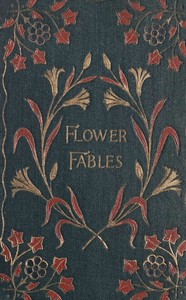
Flower Fables
Written by Louisa May Alcott
Chaptra reads alongside you — AI insights, chapter breakdowns and reader discussions for every book. Join free
About this book
Reading guide
Themes, characters and key ideas in Flower Fables, written by Chaptra AI.
- about 4 hours
- beginner
- uplifting
- whimsical
- moralistic
Louisa May Alcott's "Flower Fables" is a captivating collection of mid-19th century tales designed to impart moral lessons through whimsical narratives. Set in enchanting fairylands, the stories feature fairies, mystical beings, and personified elements of nature who navigate challenges with kindness, love, and sacrifice. The collection, exemplified by the tale of Violet and the Frost-King, emphasizes the power of compassion and selflessness to overcome adversity and transform even the coldest hearts. It serves as an early showcase of Alcott's imaginative storytelling, laying foundational themes that would resonate in her later, more famous works. Each fable gently guides young readers towards virtuous living, making it a didactic yet charming read.
“"For love, dear friends, can thaw the coldest heart, and kindness bloom where frost has held its cruelest part."”
Key themes
- The Power of Love and Kindness
- This is the central theme, illustrating that empathy, compassion, and selfless love are the most potent forces against negativity and destruction. It suggests that even the coldest hearts can be transformed by genuine affection and understanding, emphasizing reconciliation over confrontation.
- Sacrifice and Selflessness
- The theme explores the idea that true heroism often involves putting the needs of others before one's own, even at great personal risk. It highlights the nobility of sacrificing comfort or safety for the greater good of the community or beloved ideals.
- Good versus Evil (and Transformation)
- This theme presents a clear dichotomy between benevolent forces (fairies, warmth, life) and malevolent ones (Frost-King, cold, destruction). However, it goes beyond a simple binary by suggesting that 'evil' (or at least harshness) can be transformed through the power of 'good,' indicating a belief in redemption and change rather than absolute, unyielding forces.
Worth discussing
How do the anthropomorphic flowers and fairies help convey moral lessons more effectively than human characters might?
Chapter-by-chapter breakdowns, character arcs and the full thematic analysis come with a free account.
Discussions
No one has started one yet
Questions this book opens up
No discussions yet
Be the first to start a discussion about this book!
Sign up to start the discussionReviews
No reviews yet
Be the first to review this book!