
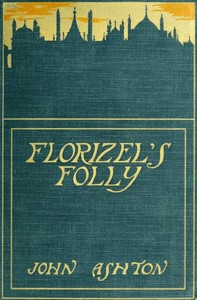
Florizel's Folly
Written by John Ashton
Chaptra reads alongside you — AI insights, chapter breakdowns and reader discussions for every book. Join free
About this book
Reading guide
Themes, characters and key ideas in Florizel's Folly, written by Chaptra AI.
- about 12 hours
- intermediate
- historical
- scandalous
- informative
John Ashton's "Florizel's Folly" delves into the scandalous private life of George, Prince of Wales (later King George IV), with a particular focus on his clandestine and illegal marriage to the Catholic widow Maria Fitzherbert. The book meticulously chronicles the Prince's extravagant lifestyle, his numerous debts, and the elaborate deceptions employed to manage his affairs, both financial and romantic. Ashton presents a vivid, if often critical, portrait of Regency-era excess and the monarch's struggle between personal desires and public duty, revealing the profound impact of these personal choices on the political and social landscape of late 18th and early 19th century Britain. It serves as a detailed historical account, drawing heavily on contemporary sources, caricatures, and correspondence to illuminate a pivotal period of royal scandal.
“"The Prince's life, from his earliest youth, was a series of follies, some of which were pardonable on account of his age, but others were of a more serious nature, and left an indelible stain on his character."”
Key themes
- Marriage and Morality
- The central theme revolves around the Prince's secret, illegal marriage to Maria Fitzherbert and the broader implications of his numerous affairs. Ashton explores the rigid social and legal constraints (like the Royal Marriages Act) placed upon the monarchy, contrasting them with the Prince's disregard for these rules. It delves into the hypocrisy of the era, where public morality was strictly enforced, yet royal transgressions were often tolerated or covered up.
- Royal Extravagance and Debt
- Ashton extensively details the Prince of Wales's lavish lifestyle, his numerous architectural projects (Carlton House, Brighton Pavilion), his gambling, and his perpetual state of debt. This theme highlights the immense wealth and unchecked spending power of the monarchy, contrasting it with the economic realities faced by the general populace and the constant need for parliamentary bailouts.
- Duty vs. Desire
- This theme is central to understanding the Prince of Wales's character. Ashton portrays him as a man perpetually torn between his responsibilities as future king and his overwhelming personal desires for pleasure, love, and self-indulgence. His 'follies' often stem from his inability or unwillingness to reconcile these conflicting forces, leading to a life of personal unhappiness and public scandal.
Worth discussing
How does Ashton's Victorian perspective influence his portrayal of the Prince Regent and Mrs. Fitzherbert? Is it possible for a historian to be truly objective?
Chapter-by-chapter breakdowns, character arcs and the full thematic analysis come with a free account.
Discussions
No one has started one yet
Questions this book opens up
No discussions yet
Be the first to start a discussion about this book!
Sign up to start the discussionReviews
No reviews yet
Be the first to review this book!