
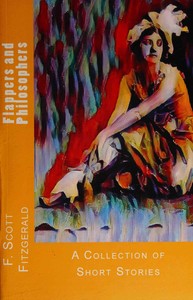
Flappers and Philosophers
Written by F. Scott (Francis Scott) Fitzgerald
Chaptra reads alongside you — AI insights, chapter breakdowns and reader discussions for every book. Join free
About this book
Read it with a club
Chaptra's fiction clubs — small groups reading the same books and talking as they go.


CraxMe Readers Book Club
Fiction
- 385 members
- 227 discussions
- Started December 2025
Welcome to the Readers Book Club. This is an informal group for like-minded people, where you can discuss books, share and recommend, track your reading progress, and lots more. Discuss Books — all about books. Discuss a particular book or genre, share your favourite quotes. Book Reviews — loved a book and highly recommend it? Or was it just average? Share your review and discuss with fellow readers. (May contain spoilers.) Group Reads — what is a book club without a group read! Buddy Reads — planning to read a book and looking for someone to read it with? Post in the Buddy Read request thread, find a reading buddy, and start discussing.
Read Flappers and Philosophers alongside people who are reading it too.
Also here: Doorstops, First Lines Club
Chaptra Prime — paid clubs, every club feature, and unlimited reading support, for $5 a month or $60 once.
See PrimeReading guide
Themes, characters and key ideas in Flappers and Philosophers, written by Chaptra AI.
- about 8 hours
- intermediate
- romantic
- witty
- melancholic
Flappers and Philosophers" is F. Scott Fitzgerald's inaugural short story collection, a vibrant literary snapshot of the burgeoning American youth culture during the 1920s Jazz Age. Through a series of witty, often poignant narratives, Fitzgerald introduces readers to the spirited "flapper" – epitomized by characters like Ardita Farnam – who embodies a rebellious pursuit of freedom, love, and excitement, clashing with the era's lingering conservative values. The collection masterfully captures the intoxicating allure and underlying anxieties of a generation grappling with newfound independence, societal expectations, and the fleeting nature of youthful dreams. It serves as a foundational text for understanding Fitzgerald's recurring themes of wealth, romance, and disillusionment that would define his later, larger works.
“She was beautiful, but not like those girls in the magazines. She was beautiful, like the truth.”
Key themes
- Youth and Disillusionment
- This theme explores the intoxicating allure and inherent fragility of youth, particularly in the context of the Jazz Age's rapid social changes. Fitzgerald often portrays young characters brimming with idealism, energy, and a desire for grand experiences, only to have them confront the harsh realities of life, love, and societal expectations, leading to a sense of disillusionment or bittersweet compromise.
- The Jazz Age and Social Change
- The collection serves as a literary time capsule of the American 1920s, capturing the distinct cultural atmosphere of the Jazz Age. Fitzgerald meticulously details the fashion, slang, social customs, and moral shifts of the era, particularly the loosening of Victorian constraints and the rise of a more hedonistic, modern lifestyle. This theme highlights the excitement and anxieties of a society in flux.
- Gender Roles and Female Independence
- A central theme is the evolving role of women in the 1920s. Fitzgerald's "flappers" challenge traditional expectations of femininity, seeking independence, education, and control over their romantic and personal lives. The stories explore the struggles and triumphs of these women as they navigate a society still largely dominated by patriarchal norms, often clashing with male characters or older generations who resist their newfound autonomy.
Worth discussing
How does Fitzgerald define the "flapper" in this collection, and what societal expectations or norms are these characters rebelling against?
Chapter-by-chapter breakdowns, character arcs and the full thematic analysis come with a free account.
Discussions
No one has started one yet
Questions this book opens up
No discussions yet
Be the first to start a discussion about this book!
Sign up to start the discussionReviews
No reviews yet
Be the first to review this book!