
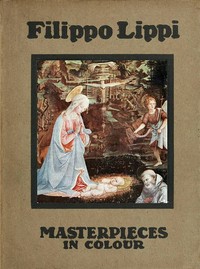
Filippo Lippi
Written by Paul G. (Paul George) Konody
Chaptra reads alongside you — AI insights, chapter breakdowns and reader discussions for every book. Join free
About this book
Reading guide
Themes, characters and key ideas in Filippo Lippi, written by Chaptra AI.
- about 8 hours
- intermediate
- informative
- historical
- analytical
Paul G. Konody's "Filippo Lippi" offers an illuminating early 20th-century biography of the celebrated Renaissance painter (1406-1469), tracing his complex life from humble origins to artistic prominence. The book meticulously details Lippi's artistic evolution, showcasing his pivotal role in transitioning from the Gothic to the expressive Renaissance style, influenced by powerful patrons like the Medici family. Beyond his masterpieces, Konody delves into Lippi's personal struggles and romantic entanglements, most notably his controversial relationship with Lucrezia Buti, presenting the artist as a deeply human figure intertwined with the vibrant socio-cultural fabric of 15th-century Italy. This comprehensive examination positions Lippi not only as a prolific painter but also as a pioneer whose journey reflects the transformative spirit of his era.
“"Lippi's Madonnas, though steeped in religious iconography, breathe with a human tenderness previously unseen, a testament to the artist's own passionate embrace of earthly life."”
Key themes
- Artistic Innovation and Transition
- This theme explores how Filippo Lippi's work marked a pivotal shift from the rigid, stylized forms of the late Gothic period to the more naturalistic, emotionally expressive, and human-centered aesthetics of the early Renaissance. Konody details Lippi's unique contributions to perspective, color, and figure composition, positioning him as a key figure who laid groundwork for later masters.
- The Artist's Life and Personal Struggles
- Konody delves into the complexities of Lippi's character, particularly the tension between his monastic vows and his deeply human desires. This theme examines how Lippi navigated societal expectations, personal passions, and the demands of his profession, revealing the challenges and triumphs of an artist whose life was as unconventional as his art.
- Humanism and the Sacred
- This theme explores how Lippi's art embodies the burgeoning humanistic philosophy of the Renaissance, which emphasized human value, dignity, and potential, often within a Christian framework. Lippi's willingness to imbue religious figures with human emotion, naturalistic features, and a sense of earthly presence reflects a profound shift in how the sacred was perceived and depicted, moving away from purely symbolic representations towards a more relatable divinity.
Worth discussing
How did Filippo Lippi's personal life, particularly his relationship with Lucrezia Buti, influence his artistic output and themes?
Chapter-by-chapter breakdowns, character arcs and the full thematic analysis come with a free account.
Discussions
No one has started one yet
Questions this book opens up
No discussions yet
Be the first to start a discussion about this book!
Sign up to start the discussionReviews
No reviews yet
Be the first to review this book!