
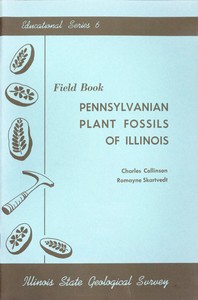
Field Book: Pennsylvanian Plant Fossils of Illinois
Written by Charles William Collinson,Romayne Skartvedt
Chaptra reads alongside you — AI insights, chapter breakdowns and reader discussions for every book. Join free
About this book
Reading guide
Themes, characters and key ideas in Field Book: Pennsylvanian Plant Fossils of Illinois, written by Chaptra AI.
- about 10 hours
- intermediate
- informative
- educational
- scientific
"Field Book: Pennsylvanian Plant Fossils of Illinois" by Collinson and Skartvedt is an essential mid-20th-century guide designed for amateur collectors and students of paleobotany. It meticulously details the identification, collection, and significance of plant fossils from the Pennsylvanian epoch in Illinois, a region renowned for its rich coal-forming flora. The book features comprehensive illustrations and descriptions of various fossil types, elucidating the geological processes responsible for their exceptional preservation, particularly in locales like Mazon Creek. Beyond identification, it instructs readers on proper collecting techniques and contextualizes the fossils within ancient ecosystems, making it a foundational text for understanding the prehistoric botanical landscape of the area.
“The Pennsylvanian epoch is known for its rich fossil deposits, contributing to the formation of notable coal beds in the region.”
Key themes
- Paleobotanical Classification and Identification
- The book meticulously details the characteristics of various Pennsylvanian plant fossils, providing readers with the tools to accurately classify and identify specimens. This theme is central to the guide's purpose, enabling amateurs to engage with scientific methodology.
- Geological Preservation and Context
- This theme explores the specific geological and environmental conditions prevalent during the Pennsylvanian epoch in Illinois that facilitated the exceptional preservation of plant fossils. It emphasizes the interconnectedness of geology, climate, and biological preservation.
- Ancient Ecosystems and Environmental Reconstruction
- Beyond mere identification, the book explains how these plant fossils provide critical evidence for reconstructing the ancient flora, fauna, and climate of the Pennsylvanian period. It emphasizes the interconnectedness of life and environment over geological timescales.
Worth discussing
How do field guides like this contribute to public understanding and appreciation of science?
Chapter-by-chapter breakdowns, character arcs and the full thematic analysis come with a free account.
Discussions
No one has started one yet
Questions this book opens up
No discussions yet
Be the first to start a discussion about this book!
Sign up to start the discussionReviews
No reviews yet
Be the first to review this book!