
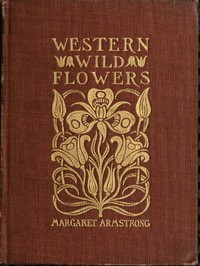
Field Book of Western Wild Flowers
Written by J. J. (John James) Thornber,Margaret Armstrong
Chaptra reads alongside you — AI insights, chapter breakdowns and reader discussions for every book. Join free
About this book
Reading guide
Themes, characters and key ideas in Field Book of Western Wild Flowers, written by Chaptra AI.
- about 8 hours
- intermediate
- informative
- educational
- appreciative
Field Book of Western Wild Flowers by J. J. Thornber and Margaret Armstrong is a seminal early 20th-century scientific publication serving as a popular field guide to the diverse wild flora of the western United States. It meticulously documents numerous flower species found west of the Rocky Mountains, featuring detailed botanical descriptions by Professor Thornber complemented by exquisite illustrations from Armstrong. The work highlights the remarkable adaptability of plants across varied Western ecosystems, from arid deserts to alpine gardens. Designed for both general enthusiasts and serious botanists, it stands as a comprehensive attempt to catalog and make accessible the natural beauty and ecological significance of the region's wildflowers.
“This work aims to document and provide a popular field guide to the diverse wild flowers found in the western United States, particularly in areas west of the Rocky Mountains.”
Key themes
- Biodiversity of the American West
- The book's core purpose is to catalog and celebrate the vast array of plant life found in the western United States. It showcases the incredible richness and variety of species, emphasizing the unique flora of different ecosystems.
- Adaptation and Ecological Resilience
- The book frequently discusses how different plant species have evolved to thrive in the varied and often challenging environments of the American West, from arid deserts to high mountain altitudes. It illustrates the remarkable capacity of life to find a niche and flourish.
- Scientific Classification and Documentation
- A fundamental theme is the systematic approach to understanding and organizing the natural world. The book exemplifies the scientific method of observation, description, and classification, making complex botanical information accessible.
Worth discussing
How does the collaboration between a botanist (Thornber) and an illustrator (Armstrong) enhance the book's effectiveness and appeal?
Chapter-by-chapter breakdowns, character arcs and the full thematic analysis come with a free account.
Discussions
No one has started one yet
Questions this book opens up
No discussions yet
Be the first to start a discussion about this book!
Sign up to start the discussionReviews
No reviews yet
Be the first to review this book!