
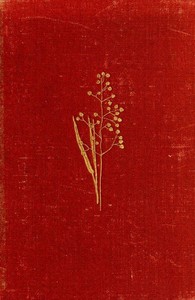
Field and Woodland Plants
Written by William S. Furneaux
Chaptra reads alongside you — AI insights, chapter breakdowns and reader discussions for every book. Join free
About this book
Reading guide
Themes, characters and key ideas in Field and Woodland Plants, written by Chaptra AI.
- about 8 hours
- intermediate
- educational
- informative
- observational
William S. Furneaux's "Field and Woodland Plants" is an early 20th-century scientific guide designed to introduce young naturalists to the diverse world of wild plants. It offers a comprehensive, yet accessible, approach to plant identification, detailing the characteristics and habits of various species across different seasons and environments. The book lays foundational knowledge by emphasizing general plant structure—roots, stems, and leaves—and encourages readers to observe the intricate relationships within the plant kingdom. Furneaux's work serves as a practical botanical primer, fostering an appreciation for nature through accurate scientific information presented without excessive jargon, making it ideal for aspiring botanists and nature enthusiasts of its era.
“The significance of understanding general plant structure—roots, stems, and leaves—cannot be overstated for the aspiring naturalist.”
Key themes
- Nature Education and Observation
- This is the core purpose of the book: to educate young naturalists on how to identify and understand wild plants through careful, systematic observation. It emphasizes practical skills and direct engagement with nature.
- Biodiversity and Interconnectedness
- Beyond mere identification, the book encourages an understanding of the complex relationships between different plant species and their environments, highlighting the rich diversity of life.
- Scientific Accuracy and Accessibility
- Furneaux's work exemplifies the effort to present rigorous scientific information in a way that is understandable and engaging for a non-specialist audience, balancing precision with clarity.
Worth discussing
How does Furneaux's approach to teaching botany compare to modern field guides or educational resources?
Chapter-by-chapter breakdowns, character arcs and the full thematic analysis come with a free account.
Discussions
No one has started one yet
Questions this book opens up
No discussions yet
Be the first to start a discussion about this book!
Sign up to start the discussionReviews
No reviews yet
Be the first to review this book!