
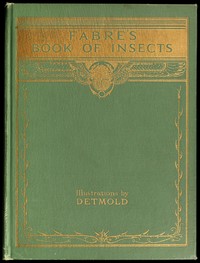
Fabre's Book of Insects
Written by Jean-Henri Fabre
Chaptra reads alongside you — AI insights, chapter breakdowns and reader discussions for every book. Join free
About this book
Reading guide
Themes, characters and key ideas in Fabre's Book of Insects, written by Chaptra AI.
- about 15 hours
- intermediate
- curious
- observational
- wondrous
Jean-Henri Fabre's "Fabre's Book of Insects" is a seminal early 20th-century scientific work that masterfully blends meticulous entomological observation with engaging storytelling. The book invites readers into the complex lives of various insects, guided by Fabre's personal journey and profound connection to the natural world, cultivated since childhood. Through detailed anecdotes and scientific inquiry, Fabre transforms the study of insects from a dry academic pursuit into an accessible and wondrous exploration. He recounts his dedication to empirical observation, establishing his credentials as a naturalist who learned directly from nature, and shares his amazement and affection for creatures like cicadas and wasps, promising a rich tapestry of knowledge and reflection.
“My workshop is a piece of waste ground, baked by the sun, covered with wild thyme and thistles. It is the chosen refuge of the insect world.”
Key themes
- The Wonder and Complexity of the Natural World
- This theme explores the awe-inspiring intricacy and beauty of the insect kingdom, showcasing the sophisticated behaviors, adaptations, and life cycles that often go unnoticed. Fabre's writing consistently highlights the surprising intelligence and ingenuity of even the smallest creatures, fostering a sense of profound wonder at nature's design.
- The Importance of Empirical Observation and Patience
- Fabre champions a scientific method rooted in direct, patient, and meticulous observation of nature. He emphasizes that true understanding comes from prolonged engagement with the subjects in their natural environment, rather than solely from theoretical knowledge or formal training. This theme underscores the value of hands-on experience and dedication in scientific pursuit.
- Nature as Teacher
- This theme posits nature itself as the ultimate educator, capable of imparting profound lessons about life, survival, instinct, and interconnectedness. Fabre positions himself as a humble student of the natural world, learning directly from the behaviors and adaptations of insects, rather than imposing human constructs upon them. This highlights a respectful, deferential attitude towards the natural order.
Worth discussing
How does Fabre's 'workshop' concept reflect his scientific methodology, and how does it compare to modern scientific research environments?
Chapter-by-chapter breakdowns, character arcs and the full thematic analysis come with a free account.
Discussions
No one has started one yet
Questions this book opens up
No discussions yet
Be the first to start a discussion about this book!
Sign up to start the discussionReviews
No reviews yet
Be the first to review this book!