
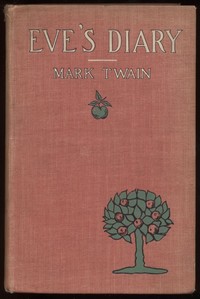
Eve's Diary, Part 2
Written by Mark Twain
Chaptra reads alongside you — AI insights, chapter breakdowns and reader discussions for every book. Join free
About this book
Reading guide
Themes, characters and key ideas in Eve's Diary, Part 2, written by Chaptra AI.
- about 8 hours
- intermediate
- humorous
- reflective
- philosophical
Mark Twain's "Eve's Diary, Part 2" continues the satirical exploration of early human existence through Eve's reflective first-person account. This segment delves deeper into her emotional landscape as she grapples with the complexities of companionship, particularly her relationship with Adam, whom she perceives as emotionally distant. Eve's narrative blends humorous observations with philosophical musings on beauty, utility, and the dawning awareness of fear and loneliness. Her discoveries, such as fire, serve as catalysts for profound insights into her own desires for connection and the challenges of understanding between genders, ultimately highlighting the bittersweet nature of her evolving consciousness.
“He sees only a tool, where I see a marvel, a dance of light, a blossoming wonder.”
Key themes
- Companionship and Loneliness
- This theme explores Eve's profound longing for a deeper emotional connection and shared understanding, particularly with Adam. Despite being in the presence of another, Eve frequently expresses feelings of solitude and an ache for true companionship, highlighting the human need for emotional intimacy beyond mere physical presence.
- Gender Differences and Understanding
- Twain uses the contrasting perspectives of Eve and Adam to satirize and explore fundamental differences in how men and women perceive the world, communicate, and prioritize. Eve's focus on beauty, emotion, and connection stands in stark contrast to Adam's pragmatism, utility-driven mindset, and emotional detachment, illustrating the challenges of mutual understanding.
- Introduction of Fear and Loss of Innocence
- Part 2 sees Eve's transition from a state of pure, unblemished bliss and curiosity to one where fear begins to enter her consciousness. Her observations of the world, including the dual nature of fire and Adam's seemingly reckless behavior, lead her to anticipate danger, both for herself and for him. This marks a significant step away from her original innocence and into a more complex, less secure existence.
Worth discussing
How does Twain use Eve's diary format to explore complex philosophical ideas about human nature and relationships?
Chapter-by-chapter breakdowns, character arcs and the full thematic analysis come with a free account.
Discussions
No one has started one yet
Questions this book opens up
No discussions yet
Be the first to start a discussion about this book!
Sign up to start the discussionReviews
No reviews yet
Be the first to review this book!