
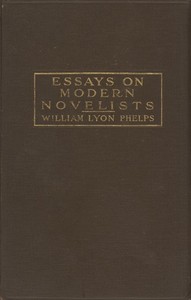
Essays on Modern Novelists
Written by William Lyon Phelps
Chaptra reads alongside you — AI insights, chapter breakdowns and reader discussions for every book. Join free
About this book
Read it with a club
Chaptra's fiction clubs — small groups reading the same books and talking as they go.


CraxMe Readers Book Club
Fiction
- 385 members
- 227 discussions
- Started December 2025
Welcome to the Readers Book Club. This is an informal group for like-minded people, where you can discuss books, share and recommend, track your reading progress, and lots more. Discuss Books — all about books. Discuss a particular book or genre, share your favourite quotes. Book Reviews — loved a book and highly recommend it? Or was it just average? Share your review and discuss with fellow readers. (May contain spoilers.) Group Reads — what is a book club without a group read! Buddy Reads — planning to read a book and looking for someone to read it with? Post in the Buddy Read request thread, find a reading buddy, and start discussing.
Read Essays on Modern Novelists alongside people who are reading it too.
Also here: Doorstops, First Lines Club
Chaptra Prime — paid clubs, every club feature, and unlimited reading support, for $5 a month or $60 once.
See PrimeReading guide
Themes, characters and key ideas in Essays on Modern Novelists, written by Chaptra AI.
- about 10 hours
- advanced
- analytical
- scholarly
- insightful
William Lyon Phelps's "Essays on Modern Novelists" is a seminal collection of literary critiques from the early 20th century, offering an in-depth exploration of prominent Modernist authors. Phelps meticulously examines the works of figures such as Thomas Hardy, Mark Twain, and William Dean Howells, dissecting their themes, unique styles, and lasting impact on the literary landscape. The book particularly highlights how these novelists encapsulated the zeitgeist of their era, reflecting societal shifts and intellectual currents. Phelps's analysis commences with a detailed look at William De Morgan, emphasizing his distinctive narrative voice and the role of life experience in shaping his creative output, thereby setting a comprehensive framework for understanding the collective contributions of these literary giants to modern literature.
“"The true novelist, much like life itself, reveals profound truths not through pronouncements, but through the intricate dance of conversation and the quiet unfolding of character."”
Key themes
- The Evolution of the Modern Novel
- Phelps extensively explores how the novel form transformed in the late 19th and early 20th centuries, moving beyond earlier conventions to embrace new narrative techniques, psychological depth, and social commentary. He examines how authors experimented with structure, perspective, and language to create a distinctly 'modern' literary experience.
- The Impact of Zeitgeist on Literature
- A central theme is how the spirit of an age (zeitgeist) profoundly influences the themes, styles, and concerns of novelists. Phelps argues that the works of Hardy, Twain, Howells, and De Morgan are not just individual creations but also powerful reflections of the social, cultural, and intellectual currents of their time, from industrialization to changing moral codes.
- Authorial Voice and Creativity
- Phelps delves into the unique creative processes and distinctive voices of the novelists he examines. He explores what makes each author's style recognizable, how they construct their narratives, and the personal philosophies that permeate their work. This includes examining how authors infuse their beliefs and experiences into their fictional worlds.
Worth discussing
How does Phelps's early 20th-century perspective shape his analysis of Modernist authors, and how might contemporary criticism differ?
Chapter-by-chapter breakdowns, character arcs and the full thematic analysis come with a free account.
Discussions
No one has started one yet
Questions this book opens up
No discussions yet
Be the first to start a discussion about this book!
Sign up to start the discussionReviews
No reviews yet
Be the first to review this book!