
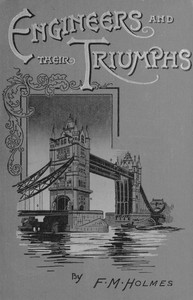
Engineers and their triumphs: the story of the locomotive, the steamship, bridge building, tunnel making
Written by F. M. (Frederic Morell) Holmes
Chaptra reads alongside you — AI insights, chapter breakdowns and reader discussions for every book. Join free
About this book
Reading guide
Themes, characters and key ideas in Engineers and their triumphs: the story of the locomotive, the steamship, bridge building, tunnel making, written by Chaptra AI.
- about 8 hours
- intermediate
- Inspiring
- Informative
- Celebratory
F. M. Holmes's "Engineers and their Triumphs" is a late 19th-century historical account that celebrates the monumental achievements of engineers, focusing on pivotal innovations like the locomotive, steamship, and grand constructions such as bridges and tunnels. The author aims to chronicle these feats and the individuals behind them in an accessible manner, eschewing technical jargon to make the stories of human ingenuity widely appealing. The narrative opens with a framing device, introducing the determined quest of George Stephenson to revolutionize locomotive technology through persistent experimentation and learning from predecessors. The book ultimately paints an optimistic picture of technological progress and its transformative impact on the modern world, highlighting the vision and perseverance of its engineering pioneers.
“It is the purpose of these pages to chronicle the remarkable feats of engineers, to celebrate their vision and their tireless hands, without burdening the reader with the intricate minutiae of their craft.”
Key themes
- Human Ingenuity and Innovation
- This theme is central to the entire book, celebrating the human capacity for creative problem-solving, invention, and the relentless drive to push the boundaries of what is possible. It highlights the intellectual curiosity and practical skills that led to groundbreaking engineering achievements.
- The March of Progress
- The book embodies a strong belief in the linear and beneficial nature of technological progress. It views engineering advancements as an unequivocal good, leading humanity towards a better, more efficient, and more connected future. This theme reflects the optimistic worldview prevalent during the Industrial Revolution.
- Perseverance and Determination
- This theme highlights the personal qualities of the engineers: their unwavering resolve, resilience in the face of setbacks, and the sheer hard work required to bring their ambitious visions to fruition. It underscores that innovation is not just about a bright idea, but about the arduous process of making it a reality.
Worth discussing
How does Holmes's late 19th-century perspective on engineering triumphs compare to modern views on technological progress and its potential pitfalls?
Chapter-by-chapter breakdowns, character arcs and the full thematic analysis come with a free account.
Discussions
No one has started one yet
Questions this book opens up
No discussions yet
Be the first to start a discussion about this book!
Sign up to start the discussionReviews
No reviews yet
Be the first to review this book!