
Engineering Bulletin No 1: Boiler and Furnace Testing
Written by Rufus T. (Rufus Tracy) Strohm
Chaptra reads alongside you — AI insights, chapter breakdowns and reader discussions for every book. Join free
About this book
Reading guide
Themes, characters and key ideas in Engineering Bulletin No 1: Boiler and Furnace Testing, written by Chaptra AI.
- about 8 hours
- advanced
- Informative
- Practical
- Instructive
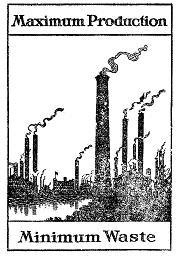
Rufus T. Strohm's "Engineering Bulletin No 1: Boiler and Furnace Testing" is a foundational early 20th-century scientific publication designed to guide engineers and technicians in optimizing industrial efficiency. Originating during a period of significant industrial growth and resource awareness post-World War I, the bulletin provides practical, detailed methodologies for testing boiler and furnace performance. It emphasizes the critical need for regular evaluation to minimize fuel waste, offering step-by-step instructions for measuring key parameters like coal weight, water usage, steam pressure, and temperature. Ultimately, Strohm's work aims to enhance fuel economy and maximize production efficiency in steam-power plants through precise data collection and analysis.
“The crucial need for regular boiler testing to establish how effectively the equipment operates while minimizing waste.”
Key themes
- Efficiency and Resource Conservation
- This is the core theme, driven by the economic pressures and resource awareness of the early 20th century. The bulletin directly addresses the need to maximize output from fuel input, emphasizing the prevention of waste through systematic testing and optimization.
- Precision and Standardization
- Strohm's work underscores the critical importance of accurate measurement, systematic procedures, and consistent record-keeping. This theme highlights the scientific approach to industrial operations, advocating for standardized methods to ensure reliable, comparable results.
- Practical Application of Engineering Principles
- The bulletin serves as a bridge between theoretical engineering knowledge and its direct implementation on the factory floor. It focuses on providing actionable, hands-on instructions for technicians, demonstrating how scientific principles translate into practical operational improvements.
Worth discussing
How did early 20th-century industrial demands influence the development of technical guides like Strohm's bulletin?
Chapter-by-chapter breakdowns, character arcs and the full thematic analysis come with a free account.
Discussions
No one has started one yet
Questions this book opens up
No discussions yet
Be the first to start a discussion about this book!
Sign up to start the discussionReviews
No reviews yet
Be the first to review this book!