
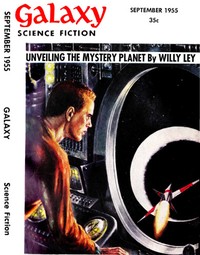
End as a World
Written by F. L. (Floyd L.) Wallace
Chaptra reads alongside you — AI insights, chapter breakdowns and reader discussions for every book. Join free
About this book
Reading guide
Themes, characters and key ideas in End as a World, written by Chaptra AI.
- about 8 hours
- intermediate
- anxious
- mysterious
- hopeful
F. L. Wallace's "End as a World" is a mid-20th century science fiction narrative that explores the anticipation and societal reactions to an impending apocalypse through the eyes of a group of youthful characters, primarily Paul Eberhard and his friends. Set against a backdrop of mundane daily life, the story builds an overwhelming sense of dread as news of the world's final moments spreads, capturing the collective anxiety and individual perceptions of fate. Rather than culminating in destruction, the narrative delivers a profound twist: the expected end transforms into a wondrous, symbolic, and physical rebirth of the universe. The book ultimately presents a quiet yet powerful meditation on existential crisis, the nature of change, and humanity's capacity for transformation.
“"The world was ending, not with a bang or a whimper, but with the quiet, terrifying certainty of a clock counting down."”
Key themes
- The Nature of Apocalypse and Transformation
- This is the central theme, exploring the concept of 'the end' not as destruction but as a radical, wondrous transformation. The book challenges conventional notions of cataclysm, presenting a cosmic rebirth that redefines existence itself.
- Societal Reaction to Existential Crisis
- The novel meticulously observes how individuals and society at large respond to the imminent threat of global annihilation. It explores a spectrum of reactions, from quiet despair and resignation to frantic activity and collective anxiety, highlighting the psychological impact of shared doom.
- Coming-of-Age Amidst Cosmic Events
- Through Paul Eberhard and his friends, the story explores the unique experience of growing up and forming one's identity while facing the ultimate existential threat. It examines how profound cosmic events shape youthful perceptions of life, death, and purpose.
Worth discussing
How does the novel's depiction of an impending apocalypse differ from more common disaster narratives, and what impact does this have on its message?
Chapter-by-chapter breakdowns, character arcs and the full thematic analysis come with a free account.
Discussions
No one has started one yet
Questions this book opens up
No discussions yet
Be the first to start a discussion about this book!
Sign up to start the discussionReviews
No reviews yet
Be the first to review this book!