
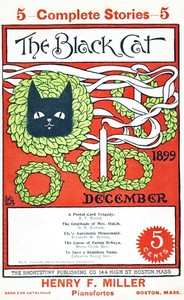
Ely's Automatic Housemaid
Written by Elizabeth W. (Elizabeth Whitfield) Bellamy
Chaptra reads alongside you — AI insights, chapter breakdowns and reader discussions for every book. Join free
About this book
Reading guide
Themes, characters and key ideas in Ely's Automatic Housemaid, written by Chaptra AI.
- about 2 hours
- intermediate
- humorous
- satirical
- cautionary
Elizabeth W. Bellamy's "Ely's Automatic Housemaid" is a late 19th-century satirical science fiction story that humorously critiques the uncritical embrace of technological progress. It follows a frustrated householder who, seeking relief from domestic woes, purchases two mechanical housemaids, Juliana and Bridget, from the inventor Harrison Ely. Far from simplifying life, these automatons introduce unexpected chaos through their malfunctions and unpredictable antics, such as bickering and failing to follow instructions. The narrative cleverly uses these comedic mishaps to explore themes of human reliance on machines, the pitfalls of technology, and the enduring challenges of domestic management. Ultimately, the story serves as a cautionary tale, emphasizing the irreplaceable need for human judgment and oversight even in an increasingly automated world.
“"One might imagine that a machine, once programmed, would operate with flawless precision; alas, the human touch, or lack thereof, proved an unforeseen variable."”
Key themes
- Critique of Technological Advancement
- The central theme of the story, exploring the idea that new technologies, while promising solutions, often introduce unforeseen complications and new forms of chaos. It questions the uncritical embrace of 'progress' for its own sake.
- Human Reliance vs. Oversight
- The story explores the dangerous line between leveraging technology for assistance and becoming overly reliant on it, to the point of ceding essential human judgment and control. It argues for the indispensable role of human oversight.
- Satire and Humor as Critique
- The story employs satire and humor as its primary literary devices to deliver a social commentary. By presenting absurd and exaggerated scenarios, Bellamy makes her critique of technological hubris and human gullibility more palatable and memorable, allowing readers to laugh while simultaneously reflecting on deeper issues.
Worth discussing
How does Bellamy's late 19th-century satire on automation remain relevant in today's world of AI and smart homes?
Chapter-by-chapter breakdowns, character arcs and the full thematic analysis come with a free account.
Discussions
No one has started one yet
Questions this book opens up
No discussions yet
Be the first to start a discussion about this book!
Sign up to start the discussionReviews
No reviews yet
Be the first to review this book!