
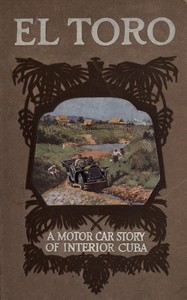
El Toro : $b A motor car story of interior Cuba
Written by E. Ralph (Edwin Ralph) Estep
Chaptra reads alongside you — AI insights, chapter breakdowns and reader discussions for every book. Join free
About this book
This work by Estep, E. Ralph (Edwin Ralph) offers readers a unique literary experience. The narrative explores themes of cuba and automobile travel.
Reading guide
Themes, characters and key ideas in El Toro : $b A motor car story of interior Cuba, written by Chaptra AI.
- about 8 hours
- intermediate
- adventurous
- exploratory
- observational
E. Ralph Estep's "El Toro" is a captivating early 20th-century travelogue that chronicles a pioneering motor car journey through the rugged, interior landscapes of Cuba. More than a simple account of travel, it delves into the cultural tapestry, natural beauty, and the challenges faced by the American protagonists attempting to navigate an infrastructure ill-suited for automobiles. The narrative blends adventure with keen observation, offering a glimpse into a Cuba caught between its traditional past and the encroaching modernity symbolized by the motor car. Through vivid descriptions and personal anecdotes, Estep paints a picture of a vibrant island and the indomitable spirit required for such an expedition.
“The interior of Cuba was a land waiting to be discovered, not by conquest, but by curiosity and the spirit of adventure.”
Key themes
- Modernization vs. Tradition
- This theme is central, explored through the stark contrast between the technologically advanced motor car and Cuba's largely undeveloped infrastructure and traditional way of life. The car struggles against roads designed for ox-carts, highlighting the friction and eventual adaptation between different eras of progress.
- Exploration and Adventure
- The entire narrative is an ode to the spirit of exploration and adventure. Estep and his companions undertake a challenging journey into uncharted territory, driven by curiosity and a desire to experience the 'real' Cuba beyond its coastal cities. The theme emphasizes the human drive to discover and overcome obstacles.
- Cross-Cultural Understanding and Hospitality
- Estep's journey is punctuated by numerous encounters with the Cuban people, who are consistently portrayed with warmth, generosity, and curiosity. This theme highlights the power of hospitality to bridge cultural divides and the mutual learning that occurs when different cultures interact respectfully.
Worth discussing
How does Estep's portrayal of Cuba and its people reflect the socio-political climate of the early 20th century, particularly from an American perspective?
Chapter-by-chapter breakdowns, character arcs and the full thematic analysis come with a free account.
Discussions
No one has started one yet
Questions this book opens up
No discussions yet
Be the first to start a discussion about this book!
Sign up to start the discussionReviews
No reviews yet
Be the first to review this book!