
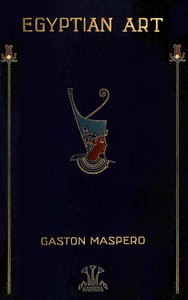
Egyptian Art: Studies
Written by G. (Gaston) Maspero
Chaptra reads alongside you — AI insights, chapter breakdowns and reader discussions for every book. Join free
About this book
Reading guide
Themes, characters and key ideas in Egyptian Art: Studies, written by Chaptra AI.
- about 8 hours
- intermediate
- Informative
- Scholarly
- Enlightening
Gaston Maspero's "Egyptian Art: Studies" is a pivotal early 20th-century collection of essays dedicated to illuminating ancient Egyptian art, particularly its sculpture and statuary, for a general audience. Drawing on decades of firsthand experience, Maspero meticulously explores the styles, techniques, and profound significance of these artworks within their historical and cultural contexts. The work emphasizes the utilitarian aspects of Egyptian art, particularly its inextricable link to the afterlife, and traces the evolution of distinct artistic schools across Egypt. Ultimately, it serves as an educational bridge, aimed at rectifying the past scholarly neglect of non-literary monuments and establishing a deeper appreciation for the visual heritage of ancient Egypt.
“The necessity of highlighting the utilitarian aspects of Egyptian art.”
Key themes
- The Utilitarian Nature of Egyptian Art
- Maspero fundamentally argues that ancient Egyptian art, particularly sculpture, was not created purely for aesthetic pleasure but served profound practical and ritualistic purposes. These artworks were essential tools for religious practices, funerary rites, and the perpetuation of order (Ma'at) and divine rule. They functioned as vessels for the Ka, representations for offerings, and eternal substitutes for the deceased or the ruling pharaoh.
- Art and the Afterlife
- A core aspect of Egyptian art's utilitarian function, as explored by Maspero, is its intricate connection to the ancient Egyptian belief in the afterlife. Sculpture, statuary, and tomb decoration were not merely commemorative but actively contributed to the deceased's eternal well-being, ensuring their survival, sustenance, and journey through the Duat. Art provided a physical presence, protected the deceased, and magically enacted rituals necessary for eternity.
- Accessibility of Scholarship and Public Education
- A stated core purpose of Maspero's work is to make complex Egyptological scholarship accessible to a wider, non-expert audience. This theme reflects a commitment to public education and the dissemination of knowledge beyond academic circles. Maspero aimed to demystify ancient Egyptian art, allowing the general public to appreciate its depth and significance, thereby fostering a broader cultural understanding and appreciation for historical heritage.
Worth discussing
How does Maspero's emphasis on the 'utilitarian' aspects of Egyptian art change our perception of ancient artifacts?
Chapter-by-chapter breakdowns, character arcs and the full thematic analysis come with a free account.
Discussions
No one has started one yet
Questions this book opens up
No discussions yet
Be the first to start a discussion about this book!
Sign up to start the discussionReviews
No reviews yet
Be the first to review this book!