
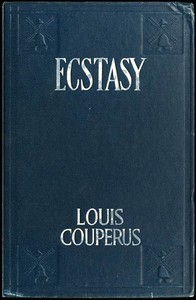
Ecstasy, A Study of Happiness: A Novel
Written by Louis Couperus
Chaptra reads alongside you — AI insights, chapter breakdowns and reader discussions for every book. Join free
About this book
Reading guide
Themes, characters and key ideas in Ecstasy, A Study of Happiness: A Novel, written by Chaptra AI.
- about 10 hours
- advanced
- introspective
- melancholic
- romantic
Louis Couperus's "Ecstasy, A Study of Happiness" delves into the intricate emotional landscapes of Dolf Van Attema and Cecile van Even, a man and his sister-in-law, as they navigate love, loss, and the elusive nature of happiness in late 19th-century society. The narrative unfolds with Dolf's solicitous visits to the recently widowed Cecile, whose delicate vulnerability and introspective nature stand in stark contrast to Dolf's more outwardly caring demeanor. Their evolving relationship, laden with unexpressed feelings and societal constraints, becomes a profound vehicle for exploring the psychological complexities of grief, desire, and the individual's quest for fulfillment amidst personal tragedy and social expectations. The novel masterfully portrays the subtle dance between two souls on a shared, yet deeply personal, journey towards understanding true ecstasy.
“"Is happiness truly a state, or merely the fleeting absence of sorrow?"”
Key themes
- The Nature of Happiness and Ecstasy
- Central to the novel's title and premise, this theme explores happiness not as a simple state, but as a complex and often elusive goal. It delves into whether happiness is an external condition, an internal state, a fleeting sensation, or a profound, lasting peace. The characters' differing perceptions and pursuits of happiness, often shadowed by grief and societal constraints, highlight its subjective and multifaceted nature.
- Grief, Loss, and Memory
- The novel deeply explores the psychological impact of loss, particularly through Cecile's experience as a widow. It examines how grief can isolate, how memory shapes present relationships, and the difficult process of healing and moving forward. The theme highlights the lingering shadow of the past and the internal conflict between honoring what was and embracing what could be.
- Psychological Introspection and Inner Life
- A hallmark of Couperus's style, this theme prioritizes the exploration of the characters' internal worlds, their thoughts, feelings, and motivations, over external action. The novel delves into the nuances of human emotion, the complexities of consciousness, and the subjective nature of reality. It portrays characters as deeply reflective beings, constantly analyzing their own states of mind and the subtle shifts within their emotional landscapes.
Worth discussing
How does Couperus define 'ecstasy' or happiness, and does it align with modern interpretations of the concept?
Chapter-by-chapter breakdowns, character arcs and the full thematic analysis come with a free account.
Discussions
No one has started one yet
Questions this book opens up
No discussions yet
Be the first to start a discussion about this book!
Sign up to start the discussionReviews
No reviews yet
Be the first to review this book!