
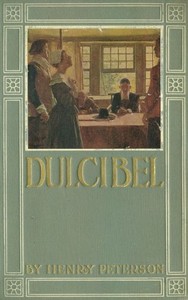
Dulcibel: A Tale of Old Salem
Written by Henry Peterson
Chaptra reads alongside you — AI insights, chapter breakdowns and reader discussions for every book. Join free
About this book
Reading guide
Themes, characters and key ideas in Dulcibel: A Tale of Old Salem, written by Chaptra AI.
- about 9 hours
- intermediate
- historical
- tense
- romantic
Set amidst the escalating Salem witch trials of the early 20th century, Henry Peterson's "Dulcibel: A Tale of Old Salem" chronicles the tumultuous life of Dulcibel Burton, an orphaned heiress caught in a perilous web of societal fear and personal conflict. As accusations of witchcraft grip the Puritan community, Dulcibel navigates a complex love triangle involving Jethro Sands and his rival, Leah Herrick, while her own status and safety become increasingly precarious. The novel intricately weaves a narrative of romance and jealousy with the chilling historical backdrop of mass hysteria and injustice. It explores the emotional toll of a community consumed by religious fervor and suspicion, ultimately examining the resilience of individuals against overwhelming societal pressures.
“"In Salem, the whispers of God's wrath often mingled with the bitter cries of human jealousy."”
Key themes
- Hysteria and Mass Paranoia
- This theme is central to the novel, exploring how fear, superstition, and religious extremism can combine to create a climate of mass hysteria where reason is abandoned. It delves into the rapid spread of accusations, the breakdown of community trust, and the devastating consequences of unfounded suspicion.
- Love and Jealousy
- The novel explores the complex interplay of love and jealousy, particularly through the central love triangle. It examines how these powerful emotions can drive characters' actions, leading to both noble sacrifices and destructive betrayals, and how they can be distorted and exploited within a hostile social environment.
- Social Injustice and Persecution
- This theme highlights the profound injustice meted out during the Salem witch trials, where individuals were persecuted based on flimsy evidence, superstition, and personal vendettas. It critiques the breakdown of legal and moral order, and the vulnerability of individuals when societal structures fail to protect them.
Worth discussing
How does Peterson use the historical setting of the Salem witch trials to amplify the personal conflicts of the characters?
Chapter-by-chapter breakdowns, character arcs and the full thematic analysis come with a free account.
Discussions
No one has started one yet
Questions this book opens up
No discussions yet
Be the first to start a discussion about this book!
Sign up to start the discussionReviews
No reviews yet
Be the first to review this book!