
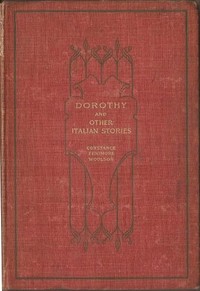
Dorothy, and Other Italian Stories
Written by Constance Fenimore Woolson
Chaptra reads alongside you — AI insights, chapter breakdowns and reader discussions for every book. Join free
About this book
Reading guide
Themes, characters and key ideas in Dorothy, and Other Italian Stories, written by Chaptra AI.
- about 8 hours
- intermediate
- romantic
- reflective
- melancholy
Constance Fenimore Woolson's "Dorothy, and Other Italian Stories" is a late 19th-century collection offering a nuanced exploration of human relationships and emotions against the evocative backdrop of Italy. The stories delve into themes of love, loss, and the intricate social dynamics of expatriate life, often focusing on American or English characters interacting with Italian culture. The titular story, "Dorothy," introduces a vibrant social scene at a Tuscan villa, where a charming protagonist navigates burgeoning affections and societal expectations. Woolson's prose provides a detailed glimpse into the complexities of human connection, intertwining personal dramas with rich cultural observations and picturesque settings, making for a compelling read that reflects its era's sensibilities.
“Illustrative Quote: "The Tuscan sun, a painter's dream, cast long, benevolent shadows across the ancient stones of the villa, mirroring the quiet drama unfolding within its walls."”
Key themes
- Love and Romantic Entanglement
- This theme is central, exploring the various facets of love, from nascent affections and flirtations to more profound, sometimes unrequited, passions. It delves into the complexities of romantic relationships, societal expectations surrounding courtship, and the emotional highs and lows associated with love and attraction.
- Cultural Observation and Expatriate Life
- Woolson meticulously details the interactions between foreign residents (likely American or English) and their Italian surroundings, highlighting both the beauty and the challenges of living in a different culture. This theme explores cultural clashes, the romanticization of Italy, and the sense of displacement or belonging experienced by expatriates.
- Social Nuances and Etiquette
- This theme examines the intricate rules and unspoken codes governing social interactions in late 19th-century society. It focuses on how characters navigate social gatherings, interpret subtle cues, and conform to or subtly challenge societal expectations, particularly concerning class, gender, and reputation.
Worth discussing
How does Woolson use the Italian setting to enhance or contrast with the emotional states of her characters?
Chapter-by-chapter breakdowns, character arcs and the full thematic analysis come with a free account.
Discussions
No one has started one yet
Questions this book opens up
No discussions yet
Be the first to start a discussion about this book!
Sign up to start the discussionReviews
No reviews yet
Be the first to review this book!