
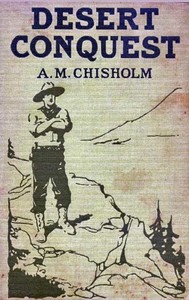
Desert Conquest; or, Precious Waters
Written by A. M. (Arthur Murray) Chisholm
Chaptra reads alongside you — AI insights, chapter breakdowns and reader discussions for every book. Join free
About this book
Reading guide
Themes, characters and key ideas in Desert Conquest; or, Precious Waters, written by Chaptra AI.
- about 8 hours
- intermediate
- adventurous
- tense
- confrontational
A. M. Chisholm's "Desert Conquest; or, Precious Waters" is an early 20th-century Western novel that plunges protagonist Clyde Burnaby and her cousin Nita into a high-stakes conflict over land and life-sustaining resources in the arid American West. The narrative begins dramatically with a train robbery, immediately establishing Clyde's quick wit and resilience while forging an intriguing connection with a mysterious stranger. This initial adventure sets the stage for a broader struggle between independent ranchers and a powerful railway company vying for control of precious waters. The story unfolds as a classic tale of frontier justice, corporate greed, and the burgeoning spirit of adventure and romance amidst the harsh desert landscape.
“"The desert holds its secrets close, but none so precious as its waters."”
Key themes
- Conquest of the West / Resource Scarcity
- This central theme explores humanity's struggle to tame and survive in the harsh, arid environment of the American West, specifically focusing on the critical importance of water. The 'conquest' refers both to the physical challenges of the desert and the societal conflicts arising from the scarcity of vital resources.
- Justice vs. Corporate Greed
- The novel pits the righteous cause of individual ranchers defending their livelihoods against the exploitative and expansionist motives of a powerful railway corporation. This theme delves into questions of ethical business practices, the rights of individuals versus corporate interests, and the pursuit of justice in a frontier setting.
- Resilience and Survival
- This theme is exemplified by Clyde Burnaby's quick thinking during the train robbery and the ranchers' enduring struggle against both the harsh environment and the railway company. It explores the human capacity to adapt, persevere, and find strength in the face of extreme adversity and danger.
Worth discussing
How does the novel portray the conflict between individual ranchers and large corporations like the railway company? Is this conflict still relevant today?
Chapter-by-chapter breakdowns, character arcs and the full thematic analysis come with a free account.
Discussions
No one has started one yet
Questions this book opens up
No discussions yet
Be the first to start a discussion about this book!
Sign up to start the discussionReviews
No reviews yet
Be the first to review this book!