
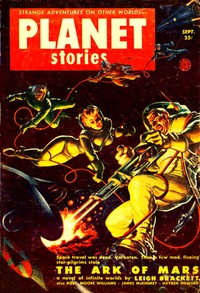
Death Star
Written by James McKimmey
Chaptra reads alongside you — AI insights, chapter breakdowns and reader discussions for every book. Join free
About this book
Reading guide
Themes, characters and key ideas in Death Star, written by Chaptra AI.
- about 8 hours
- intermediate
- Tense
- Reflective
- Somber
James McKimmey, Jr.'s "Death Star" is an early 1950s science fiction novel that explores themes of regret, responsibility, and the pursuit of dreams through the lens of space exploration. It follows Hurtz, an aging pilot yearning for retirement and land, who is coerced into a fateful mission with the young, overconfident Jones. Their journey culminates in a disastrous crash landing, forcing Hurtz to confront his past obsessions and the impact they've had on others. The story ultimately leads Hurtz to a profound self-discovery and a form of redemption, finding fulfillment in the very land he once only dreamed of.
“"The stars promised freedom, but only the soil offered peace."”
Key themes
- Regret and Responsibility
- This theme is central to Hurtz's journey. The crash forces him to confront his past choices and the direct impact of his single-minded ambition on another person's fate. His internal struggle with guilt and his eventual acceptance of responsibility are key to his character development.
- Redemption and Self-Discovery
- Through the crucible of suffering and self-reflection, Hurtz undergoes a profound transformation. He moves beyond his initial materialistic desires to find a deeper, more spiritual fulfillment, ultimately achieving a form of redemption not through escape, but through confrontation and acceptance.
- The Peril of Unchecked Ambition
- Hurtz's intense desire for retirement and land, while seemingly innocuous, becomes an obsession that blinds him to present dangers and responsibilities. The novel explores how such singular focus can lead to catastrophic outcomes and impact others.
Worth discussing
How does Hurtz's personal ambition for land conflict with his professional responsibilities as a pilot? What are the broader implications of this conflict?
Chapter-by-chapter breakdowns, character arcs and the full thematic analysis come with a free account.
Discussions
No one has started one yet
Questions this book opens up
No discussions yet
Be the first to start a discussion about this book!
Sign up to start the discussionReviews
No reviews yet
Be the first to review this book!