
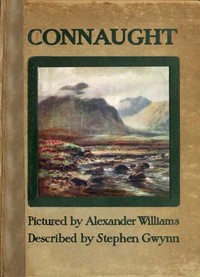
Connaught
Written by Stephen Lucius Gwynn
Chaptra reads alongside you — AI insights, chapter breakdowns and reader discussions for every book. Join free
About this book
Reading guide
Themes, characters and key ideas in Connaught, written by Chaptra AI.
- about 10 hours
- intermediate
- Reflective
- Descriptive
- Evocative
Stephen Lucius Gwynn's "Connaught" is a captivating early 20th-century travel memoir that meticulously documents the distinct beauty, cultural richness, and indomitable spirit of Connacht, one of Ireland's western provinces. Through a blend of personal anecdotes, keen observations, and historical context, Gwynn vividly portrays the region's rugged coastlines, dramatic mountains, and charming villages, alongside its resilient and hospitable inhabitants. The book delves into the unique characteristics of Connacht's geography, history, and local customs, offering readers an immersive experience of rural Irish life. It also critically examines the socio-economic challenges faced by the region, including poverty and social change, while celebrating the contributions of its notable figures, ultimately fostering a deep appreciation for Connacht's natural splendor and profound historical significance.
“The spirit of Connacht is not merely in its mountains and its seas, but in the enduring heart of its people.”
Key themes
- Regional Identity and Spirit
- This theme explores what makes Connacht distinct from other parts of Ireland, focusing on its unique cultural practices, dialects, folklore, and the collective psyche of its people. Gwynn emphasizes how geographical isolation and historical experiences have forged a particular identity.
- The Enduring Landscape and Nature's Influence
- Gwynn consistently highlights the profound impact of Connacht's natural environment – its rugged coastlines, dramatic mountains, and fertile plains – on its history, culture, and the temperament of its inhabitants. The landscape is often presented as a powerful, shaping force.
- Historical Legacy and Memory
- The book deeply intertwines the present landscape and culture with Connacht's rich and often turbulent past. Gwynn explores how historical events, ancient ruins, and folklore continue to shape the contemporary experience and collective memory of the people.
Worth discussing
How does Gwynn's personal perspective shape the reader's understanding of Connacht? What are the advantages and limitations of a first-person travel narrative?
Chapter-by-chapter breakdowns, character arcs and the full thematic analysis come with a free account.
Discussions
No one has started one yet
Questions this book opens up
No discussions yet
Be the first to start a discussion about this book!
Sign up to start the discussionReviews
No reviews yet
Be the first to review this book!