
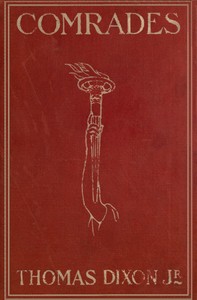
Comrades: A Story of Social Adventure in California
Written by Thomas Dixon
Chaptra reads alongside you — AI insights, chapter breakdowns and reader discussions for every book. Join free
About this book
Reading guide
Themes, characters and key ideas in Comrades: A Story of Social Adventure in California, written by Chaptra AI.
- about 8 hours
- intermediate
- polemical
- dramatic
- thought-provoking
Thomas Dixon Jr.'s "Comrades" plunges into the social and political turmoil of late 1890s California, chronicling the ideological clash between a staunchly patriotic father, Colonel Worth, and his son, Norman, a wealthy amateur socialist. Norman's burgeoning socialist ideals are ignited by the fervent speeches of Barbara Bozenta, a captivating voice for social change, drawing him into a world of class struggle and revolutionary fervor. The novel explores the tension between traditional American values and the rising tide of radical thought, intertwining personal conflicts and romantic entanglements with the broader societal upheaval. It serves as a dramatic exploration of conviction, family loyalty, and the complex realities of social reform during a transformative era.
“"The American flag, sir, stands for order, not for chaos!"”
Key themes
- Class Struggle and Socialism
- The central theme exploring the conflict between the working class and the wealthy elite, and the proposed solutions offered by socialism. The novel delves into the ideals of social equality, the injustices of capitalism, and the revolutionary fervor that characterized socialist movements of the late 19th and early 20th centuries. It examines the allure of these ideals for figures like Norman Worth and the resistance they face from the established order.
- Tradition vs. Progress / Revolution
- This theme explores the clash between established societal norms, patriotic values, and the desire for radical change. Colonel Worth embodies tradition and stability, while Norman and Barbara represent the push for progress and revolution. The novel examines the inherent tension when new ideas challenge long-held beliefs, and the societal and personal consequences of this conflict.
- Father-Son Conflict / Generational Divide
- The personal manifestation of the broader ideological conflict, focusing on the strained relationship between Norman Worth and his father, Colonel Worth. This theme explores how differing political and social beliefs can create deep rifts within families, testing the bonds of kinship against the strength of personal conviction. It highlights the challenges of understanding and reconciling divergent worldviews across generations.
Worth discussing
How does Dixon portray the conflict between Norman and Colonel Worth, and what does it reveal about generational divides regarding social change?
Chapter-by-chapter breakdowns, character arcs and the full thematic analysis come with a free account.
Discussions
No one has started one yet
Questions this book opens up
No discussions yet
Be the first to start a discussion about this book!
Sign up to start the discussionReviews
No reviews yet
Be the first to review this book!