
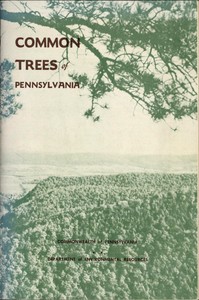
Common trees of Pennsylvania
Written by J. E. Aughenbaugh,Joseph E. Ibberson,A. B. Mickalitis,C. L. Morris
Chaptra reads alongside you — AI insights, chapter breakdowns and reader discussions for every book. Join free
About this book
Reading guide
Themes, characters and key ideas in Common trees of Pennsylvania, written by Chaptra AI.
- about 8 hours
- intermediate
- Informative
- Educational
- Practical
"Common Trees of Pennsylvania" is an authoritative educational guide published in the early 1970s, co-authored by J. E. Ibberson, A. B. Mickalitis, J. E. Aughanbaugh, and C. L. Morris. This scientific publication serves as a practical tool for identifying 50 native and 4 introduced tree species found within Pennsylvania's diverse ecosystems. Through detailed descriptions, clear illustrations, and characteristic features of leaves, twigs, and bark across seasons, the book empowers readers to recognize local flora. Beyond mere identification, it aims to cultivate a deeper appreciation for the ecological, economic, and aesthetic significance of trees, highlighting their roles in environmental health and human well-being. Ultimately, it encourages a stronger connection between individuals and their natural surroundings.
“"The identification of trees native to Pennsylvania."”
Key themes
- Ecological Awareness and Appreciation
- The central theme of the book is to cultivate a profound understanding and appreciation for the ecological roles of trees. By providing detailed insights into each species' characteristics and habitat, the book educates readers on how trees contribute to environmental health, support wildlife, and maintain ecosystem balance. It moves beyond mere recognition to foster an understanding of the intricate web of life within which trees are vital components.
- Scientific Observation and Identification
- The book meticulously guides readers through the process of scientific observation, emphasizing the importance of detailed examination of botanical features. It teaches a systematic approach to identifying trees by focusing on specific, observable characteristics like leaf shape, bark texture, twig arrangement, and fruit type, and how these change seasonally. This theme promotes a scientific mindset of careful data collection and analysis.
- Local Biodiversity and Regional Identity
- By focusing specifically on trees common to Pennsylvania, the book highlights the concept of local biodiversity and helps forge a regional identity tied to the natural landscape. It emphasizes what makes Pennsylvania's arboreal environment unique, fostering a sense of place and encouraging readers to engage with their immediate surroundings. This localized approach makes the vast topic of botany manageable and personally relevant.
Worth discussing
How does detailed identification of local flora contribute to broader environmental consciousness and conservation efforts?
Chapter-by-chapter breakdowns, character arcs and the full thematic analysis come with a free account.
Discussions
No one has started one yet
Questions this book opens up
No discussions yet
Be the first to start a discussion about this book!
Sign up to start the discussionReviews
No reviews yet
Be the first to review this book!