
About this book
Reading guide
Themes, characters and key ideas in Comic History of the United States, written by Chaptra AI.
- about 8 hours
- intermediate
- humorous
- whimsical
- satirical
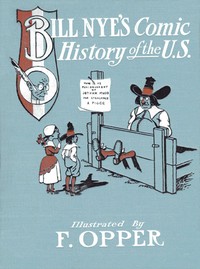
Bill Nye's "Comic History of the United States" is a late 19th-century satirical masterpiece that re-envisions early American history, from Columbus's voyage to the founding of the Republic, through a distinctly humorous lens. Eschewing traditional dry historical accounts, Nye intertwines factual events with whimsical fiction and keen wit to humanize iconic figures and monumental moments. The book's primary aim is to make history palatable and entertaining, transforming complex narratives into engaging, lively tales that mock the pomposity often associated with historical accounts. Through a blend of light-hearted storytelling and subtle critique, Nye offers readers a fresh, often irreverent perspective on the nation's origins.
“History, to be palatable, must be dressed in the beautiful clothes of fiction, just as a child must be dressed in beautiful clothes before it will go to Sunday school.”
Key themes
- Reinterpretation of History
- This is the central theme, as Nye actively dismantles the traditional, often solemn, narrative of American history. He demonstrates that history is not just a collection of facts but a narrative that can be shaped, embellished, and made entertaining, thereby encouraging readers to question official accounts and consider alternative perspectives.
- American Identity and Myth-making
- Nye explores how the American identity was forged, often through a blend of genuine aspiration and self-aggrandizing myth. By satirizing foundational stories and figures, he subtly critiques the process of national myth-making while simultaneously acknowledging the underlying spirit of the nascent nation.
- Satire of Authority and Pomposity
- A pervasive theme, Nye uses humor to deflate the pomposity often associated with historical figures, institutions, and the very act of writing history. He challenges the notion that historical events are always solemn and driven by grand, unassailable motives, instead showing the human, often mundane, and sometimes absurd aspects.
Worth discussing
How does Nye's humorous approach alter our perception of historical figures and events compared to traditional historical accounts?
Chapter-by-chapter breakdowns, character arcs and the full thematic analysis come with a free account.
Discussions
No one has started one yet
Questions this book opens up
No discussions yet
Be the first to start a discussion about this book!
Sign up to start the discussionReviews
No reviews yet
Be the first to review this book!