
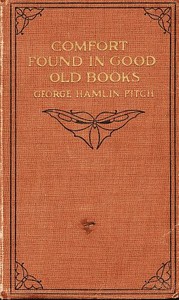
Comfort Found in Good Old Books
Written by George Hamlin Fitch
Chaptra reads alongside you — AI insights, chapter breakdowns and reader discussions for every book. Join free
About this book
Reading guide
Themes, characters and key ideas in Comfort Found in Good Old Books, written by Chaptra AI.
- about 8 hours
- intermediate
- reflective
- comforting
- poignant
George Hamlin Fitch's "Comfort Found in Good Old Books" is an early 20th-century collection of essays deeply rooted in personal grief. Following the sudden death of his son, Fitch explores how classic literature served as an invaluable source of solace and clarity amidst his profound sorrow. The book beautifully intertwines his poignant reminiscences of shared reading with his son and insightful reflections on various revered texts and authors. Ultimately, Fitch advocates for the cultivation of reading habits, not merely for enjoyment, but as a vital refuge and a wellspring of comfort during life's inevitable hardships, inviting readers to discover their own sanctuary in timeless works.
“In the silent companionship of 'good old books,' I found a solace that no human voice could offer, a clarity amidst the profoundest sorrow.”
Key themes
- The Healing Power of Literature
- This is the central, overarching theme of the book. Fitch meticulously demonstrates how engaging with "good old books" provides profound comfort, clarity, and solace during times of intense personal grief and turmoil. Literature acts as a form of bibliotherapy, offering perspective, companionship, and a temporary escape that aids in processing sorrow.
- Grief and Solace
- The book opens with and is fundamentally driven by Fitch's profound sense of grief over the sudden death of his only son. It explores the depths of this sorrow and the various ways one seeks solace. Literature is presented not as a means to forget grief, but to navigate it, understand it, and eventually find a measure of peace through timeless human experiences reflected in books.
- The Enduring Value of Classics
- Fitch argues passionately for the timeless relevance and profound impact of "good old books." He posits that classic literature transcends generations and cultural shifts, offering universal truths, profound insights into the human condition, and a sense of continuity with the past. These works are not merely historical artifacts but living sources of wisdom and comfort.
Worth discussing
How does Fitch's personal experience with grief enhance or shape his arguments for the power of literature?
Chapter-by-chapter breakdowns, character arcs and the full thematic analysis come with a free account.
Discussions
No one has started one yet
Questions this book opens up
No discussions yet
Be the first to start a discussion about this book!
Sign up to start the discussionReviews
No reviews yet
Be the first to review this book!