
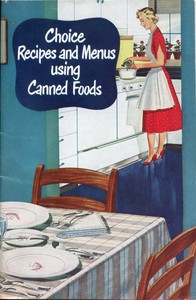
Choice Recipes and Menus Using Canned Foods
Written by American Can Company. Home Economics Department
Chaptra reads alongside you — AI insights, chapter breakdowns and reader discussions for every book. Join free
About this book
Reading guide
Themes, characters and key ideas in Choice Recipes and Menus Using Canned Foods, written by Chaptra AI.
- about 8 hours
- beginner
- Practical
- Instructive
- Optimistic
''Choice Recipes and Menus Using Canned Foods'' is a promotional cookbook published by the American Can Company's Home Economics Department, serving as both a practical guide and a powerful piece of corporate advertising. It aims to educate early 20th-century homemakers on the versatility, economy, and nutritional value of canned goods, presenting them as a cornerstone of modern, efficient domesticity. The book offers a wide array of recipes, menu suggestions, and practical tips, positioning canned foods as essential tools for the busy yet discerning housewife. More than just a collection of recipes, it functions as a historical document reflecting evolving foodways, gender roles, and the burgeoning influence of industrial marketing on American households.
“The modern housekeeper finds in canned foods a reliable and convenient solution to many of her daily problems.”
Key themes
- Efficiency and Convenience
- This is the overarching theme, presenting canned foods as the ultimate solution for time-saving and simplified meal preparation. The book consistently highlights how canned goods reduce cooking time, labor, and waste, allowing homemakers to manage their households more effectively and gain more personal time.
- Modernity and Progress
- The book frames canned foods as symbols of modern living and scientific progress. Using them is presented as a progressive choice, aligning the homemaker with contemporary advancements in food technology and household management. It promotes a forward-looking vision of domesticity, leaving behind traditional, labor-intensive methods.
- Corporate Influence on Consumer Culture
- The book is a prime example of how corporations in the early 20th century actively shaped consumer habits and domestic ideals. It demonstrates how industry moved beyond simply selling products to actively educating (and persuading) consumers about how to integrate those products into their daily lives, thereby creating demand and normalizing new foodways.
Worth discussing
How does this book reflect the societal expectations and roles of women in the early 20th century?
Chapter-by-chapter breakdowns, character arcs and the full thematic analysis come with a free account.
Discussions
No one has started one yet
Questions this book opens up
No discussions yet
Be the first to start a discussion about this book!
Sign up to start the discussionReviews
No reviews yet
Be the first to review this book!