
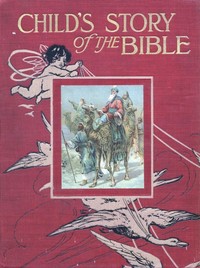
Child's Story of the Bible
Written by Mary A. (Mary Artemisia) Lathbury
Chaptra reads alongside you — AI insights, chapter breakdowns and reader discussions for every book. Join free
About this book
Reading guide
Themes, characters and key ideas in Child's Story of the Bible, written by Chaptra AI.
- about 8 hours
- beginner
- didactic
- reverent
- moralistic
Mary A. Lathbury's "Child's Story of the Bible" is a late 19th-century children's book designed to introduce young readers to core biblical narratives. It simplifies major stories from both the Old and New Testaments, spanning from creation to the life of Jesus, with an overarching goal of instilling spiritual values and moral understanding. The work emphasizes the role of mothers as primary educators in faith, presenting itself as a tool for sharing foundational tales in an accessible and memorable way. Lathbury's approach aims to retain the essence and integrity of the scriptures while adapting them for a child's comprehension, focusing on clear moral lessons and the overarching narrative of divine providence.
“A child's heart, open to these stories, will learn the ways of God's love and wisdom.”
Key themes
- Faith and Obedience
- This theme is paramount throughout the book, illustrated through numerous biblical figures. Stories like Noah building the ark, Abraham leaving his homeland, and Moses leading the Israelites exemplify the importance of trusting and obeying God's commands, even when difficult or seemingly illogical. The book teaches children that faith in God leads to blessings and protection, while disobedience brings consequences.
- Sin and Redemption
- Introduced prominently with Adam and Eve's fall, this theme explores the concept of human imperfection, the consequences of wrongdoing, and God's plan for restoration. The Old Testament stories show the recurring cycle of human sin and God's judgment, often followed by opportunities for repentance. The New Testament section culminates in Jesus's life and sacrifice as the ultimate act of redemption, offering forgiveness for sins.
- Moral Instruction and Consequences
- Woven into every story, this theme explicitly teaches children about right and wrong, and the natural or divine consequences of their actions. Each narrative serves as a cautionary tale or an inspiring example, reinforcing virtues like honesty, kindness, courage, and generosity, while discouraging vices such as jealousy, pride, and deceit. This aligns with the book's primary didactic purpose.
Worth discussing
How does Lathbury's simplification of biblical stories affect their meaning or impact for a child?
Chapter-by-chapter breakdowns, character arcs and the full thematic analysis come with a free account.
Discussions
No one has started one yet
Questions this book opens up
No discussions yet
Be the first to start a discussion about this book!
Sign up to start the discussionReviews
No reviews yet
Be the first to review this book!