
About this book
Reading guide
Themes, characters and key ideas in Child's Book of Water Birds, written by Chaptra AI.
- about 8 hours
- beginner
- educational
- informative
- gentle
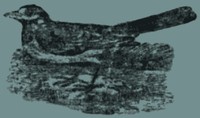
Child's Book of Water Birds, published anonymously in the mid-19th century (circa 1850s), is an illustrated children's book designed as an educational resource. It introduces young readers to various water bird species, such as the Swan, Coot, Dabchick, Teal, Goose, and Oyster Catcher, through simple descriptions and engaging visuals. The book provides foundational insights into the birds' characteristics, behaviors, and natural habitats. By combining accessible text with illustrations, it aims to cultivate an early appreciation for wildlife and foster a basic understanding of the avian life found in ponds and rivers, reflecting the pedagogical values of its era.
“The Swan is a large and beautiful bird, often seen gracefully gliding upon the surface of our lakes and rivers.”
Key themes
- Appreciation for Nature and Wildlife
- This theme explores the book's underlying goal of fostering wonder, respect, and curiosity towards the natural world, specifically focusing on avian life in aquatic environments. It encourages young readers to observe and value the diversity of species around them.
- Early Childhood Education and Knowledge Acquisition
- The book serves as a foundational educational resource, demonstrating 19th-century pedagogical approaches to imparting factual knowledge to young children. It emphasizes accessible learning through simple language and visual aids.
- Observation and Classification
- Implicit in the book's structure is the encouragement of scientific observation and the rudimentary practice of classification. By presenting distinct species with their unique traits, it teaches children to differentiate and categorize, a fundamental skill in natural history.
Worth discussing
How does 'Child's Book of Water Birds' reflect the educational values and approaches to children's literature in the mid-19th century?
Chapter-by-chapter breakdowns, character arcs and the full thematic analysis come with a free account.
Discussions
No one has started one yet
Questions this book opens up
No discussions yet
Be the first to start a discussion about this book!
Sign up to start the discussionReviews
No reviews yet
Be the first to review this book!