
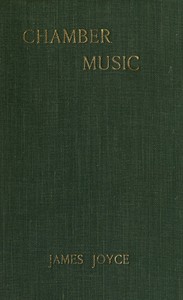
Chamber Music
Written by James Joyce
Chaptra reads alongside you — AI insights, chapter breakdowns and reader discussions for every book. Join free
About this book
Reading guide
Themes, characters and key ideas in Chamber Music, written by Chaptra AI.
- about 3 hours
- intermediate
- melancholy
- romantic
- wistful
James Joyce's "Chamber Music" is a collection of thirty-six short lyrical poems, published in 1907 as his debut work. It primarily explores themes of youthful love, its tender blossoming, and its eventual, often melancholic, decline. Characterized by its musicality, delicate imagery, and a pervasive sense of wistful longing, the collection traces an emotional journey from innocent infatuation to profound heartbreak and solitary reflection. Though distinct from his later modernist masterpieces, it offers an early glimpse into Joyce's masterful command of language and his deep sensitivity to human emotion.
“I hear an army charging upon the land,”
Key themes
- Love and Loss
- The central and overarching theme, exploring the full spectrum of romantic love from its innocent beginnings and joyous blossoming to its inevitable fading, leading to profound melancholy and heartbreak. It portrays love as a beautiful yet ephemeral force.
- Melancholy and Nostalgia
- A pervasive mood throughout the collection, reflecting on past joys with a bittersweet longing and an acceptance of sorrow as an inherent part of the human experience. It delves into the introspective nature of sadness and the romanticization of what once was.
- Nature as a Mirror of Emotion
- Nature in 'Chamber Music' is not merely a backdrop but an active participant, reflecting and amplifying the speaker's internal emotional states. The natural world's elements—sea, moon, stars, and seasons—often parallel the stages of love and sorrow, becoming extensions of the speaker's inner landscape.
Worth discussing
How does 'Chamber Music' foreshadow themes or stylistic elements that would become prominent in Joyce's later, more famous works?
Chapter-by-chapter breakdowns, character arcs and the full thematic analysis come with a free account.
Discussions
No one has started one yet
Questions this book opens up
No discussions yet
Be the first to start a discussion about this book!
Sign up to start the discussionReviews
No reviews yet
Be the first to review this book!