
Celebrated Crimes (Complete)
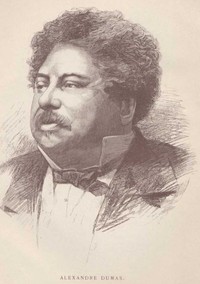
Written by Alexandre Dumas
Chaptra reads alongside you — AI insights, chapter breakdowns and reader discussions for every book. Join free
About this book
Reading guide
Themes, characters and key ideas in Celebrated Crimes (Complete), written by Chaptra AI.
- about 50 hours
- advanced
- dark
- historical
- dramatic
Alexandre Dumas's "Celebrated Crimes (Complete)" is a monumental collection of historical narratives, delving into some of Europe's most infamous criminal acts and figures. Penned in the early 19th century, it masterfully blends documented facts with dramatic, often sensational, storytelling to bring notorious events to life. From the machinations of the Borgia family to the moral confrontations of Lorenzo de' Medici and Savonarola, Dumas explores the darker facets of human nature, power, and ambition. The work serves not merely as a chronicle of past misdeeds but as a moral inquiry, inviting readers to reflect on the interplay between individual choices and broader political landscapes, all presented with Dumas's signature narrative verve.
“"There are no such things as small crimes; every offense against humanity echoes through eternity."”
Key themes
- Power and Ambition
- This is the overarching theme, explored through nearly every narrative. Dumas meticulously details how individuals and families (like the Borgias) pursue and maintain power, often through ruthless and morally reprehensible means. Ambition is shown as a driving force that can lead to both greatness and utter depravity, revealing the corrupting nature of unchecked authority.
- Moral Ambiguity and Corruption
- Dumas frequently delves into the gray areas of morality, portraying characters who are neither purely good nor purely evil. The narratives highlight how circumstances, political necessity, and personal desires can blur the lines of right and wrong, leading to acts of profound corruption. The book questions whether 'great' historical figures can truly be judged by conventional moral standards.
- Justice and Retribution
- The concept of justice, both human and divine, is a recurring theme. Dumas examines how justice is meted out (or not) in different historical contexts, often showing it to be a tool of the powerful rather than an impartial force. Retribution, whether through legal means, vengeance, or eventual historical judgment, frequently follows the crimes, though not always in a satisfying or immediate manner.
Worth discussing
To what extent does Dumas prioritize dramatic storytelling over historical accuracy, and how does this affect the reader's understanding of the past?
Chapter-by-chapter breakdowns, character arcs and the full thematic analysis come with a free account.
Discussions
No one has started one yet
Questions this book opens up
No discussions yet
Be the first to start a discussion about this book!
Sign up to start the discussionReviews
No reviews yet
Be the first to review this book!