
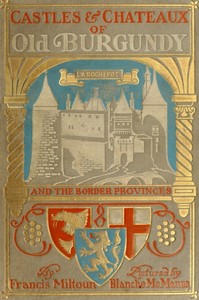
Castles and Chateaux of Old Burgundy
Written by M. F. (Milburg Francisco) Mansfield
Chaptra reads alongside you — AI insights, chapter breakdowns and reader discussions for every book. Join free
About this book
Reading guide
Themes, characters and key ideas in Castles and Chateaux of Old Burgundy, written by Chaptra AI.
- about 12 hours
- advanced
- historical
- informative
- evocative
M. F. Mansfield's "Castles and Chateaux of Old Burgundy" offers an immersive historical journey into the architectural and cultural heritage of France's Burgundy region during the early 20th century. The book meticulously chronicles the evolution of its iconic castles and chateaux, revealing their profound connections to medieval and Renaissance history, political power, and societal grandeur. Mansfield masterfully blends detailed architectural descriptions with compelling historical narratives, painting a vivid picture of Burgundy's past vibrancy and its enduring historical significance. It serves as both a historical account and a cultural exploration, inviting readers to appreciate the region's enchanting landscapes and the stories embedded within its ancient stones.
“Burgundy, a land steeped in the very essence of history, where every stone whispers tales of dukes and dynasties.”
Key themes
- The Interplay of Power and Architecture
- This theme explores how the castles and chateaux of Burgundy were not merely dwellings but potent symbols and instruments of political, military, and economic power. Their scale, fortifications, and later, their luxurious embellishments, directly reflected the status, wealth, and ambitions of their owners, particularly the Dukes of Burgundy and powerful noble families. The evolution of these structures often mirrored shifts in political stability and military technology.
- Regional Identity and Cultural Vibrancy
- Burgundy's unique geographical position and powerful ducal lineage fostered a distinct regional identity and a vibrant cultural scene. The chateaux and castles are presented as embodiments of this identity, showcasing specific architectural styles, artistic tastes, and historical narratives that are unique to the region. The book explores how Burgundy, as a crossroads of Europe, absorbed and adapted influences while maintaining its own character.
- Historical Preservation and Legacy
- The book inherently addresses the theme of historical preservation by documenting these ancient structures and their significance. It reflects an early 20th-century appreciation for the past, highlighting the importance of understanding and maintaining architectural heritage. Mansfield's work itself contributes to the legacy of these sites by recording their stories and details for future generations, even as some might have been in ruins at the time of writing.
Worth discussing
How does Mansfield's early 20th-century perspective influence the interpretation of Burgundy's history and architecture?
Chapter-by-chapter breakdowns, character arcs and the full thematic analysis come with a free account.
Discussions
No one has started one yet
Questions this book opens up
No discussions yet
Be the first to start a discussion about this book!
Sign up to start the discussionReviews
No reviews yet
Be the first to review this book!