
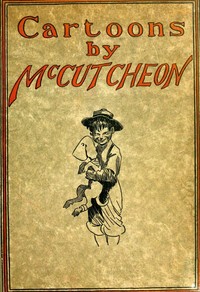
Cartoons by McCutcheon: A selection of one hundred drawings
Written by John T. (John Tinney) McCutcheon
Chaptra reads alongside you — AI insights, chapter breakdowns and reader discussions for every book. Join free
About this book
Reading guide
Themes, characters and key ideas in Cartoons by McCutcheon: A selection of one hundred drawings, written by Chaptra AI.
- about 8 hours
- beginner
- humorous
- nostalgic
- observational
John T. McCutcheon's "Cartoons by McCutcheon," published in 1904, offers a delightful collection of one hundred humorous illustrations that serve as a charming snapshot of early 20th-century American life. Moving beyond mere political caricature, the book showcases McCutcheon's keen eye for social observation, capturing the everyday antics of youth, seasonal events, and the humorous side of public figures like Theodore Roosevelt. Through clever execution and gentle humor, these drawings provide insightful commentary on both personal experiences and broader societal themes. The collection, notably featuring the "Boy in Springtime" series, effectively blends simplicity and complexity, offering readers a unique historical and cultural document infused with enduring charm.
“"The Boy in Springtime: Now for the first real adventure of the season!"”
Key themes
- The Humor and Simplicity of Everyday Life
- This theme explores how McCutcheon captures the ordinary moments, minor frustrations, and simple joys of daily existence with a humorous and often nostalgic lens. It highlights the universal aspects of human experience that transcend time.
- Childhood Innocence and Mischief
- Central to the collection, particularly through the 'Boy in Springtime' series, this theme celebrates the unadulterated joy, boundless energy, and innocent mischievousness of childhood. It often contrasts the child's perspective with the adult world, highlighting a sense of wonder and freedom.
- Social and Political Commentary
- While often gentle, McCutcheon's cartoons offer insightful commentary on the social trends, political figures, and public discourse of his era. He uses humor to subtly critique societal norms, highlight political absurdities, and reflect the public's sentiment towards leaders and events.
Worth discussing
How do McCutcheon's cartoons reflect the social and political climate of early 20th-century America?
Chapter-by-chapter breakdowns, character arcs and the full thematic analysis come with a free account.
Discussions
No one has started one yet
Questions this book opens up
No discussions yet
Be the first to start a discussion about this book!
Sign up to start the discussionReviews
No reviews yet
Be the first to review this book!