
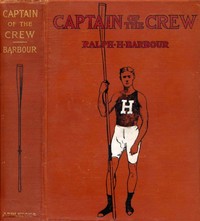
Captain of the Crew
Written by Ralph Henry Barbour
Chaptra reads alongside you — AI insights, chapter breakdowns and reader discussions for every book. Join free
About this book
Reading guide
Themes, characters and key ideas in Captain of the Crew, written by Chaptra AI.
- about 7 hours
- beginner
- uplifting
- wholesome
- competitive
Ralph Henry Barbour's "Captain of the Crew" is an early 20th-century sports novel set at the prestigious Hillton Academy, chronicling the challenges faced by Richard Hope, the newly appointed captain of the school's rowing crew. As Dick navigates the demands of leadership, he must foster camaraderie among his diverse teammates, confront the disruptive influence of a boastful new student, Trevor Nesbitt, and uphold the values of sportsmanship and integrity. The narrative culminates in the highly anticipated annual boat race against a rival school, serving as a crucible for personal growth, teamwork, and the enduring spirit of competition. The story explores classic themes of character development, loyalty, and the moral lessons inherent in athletic endeavor.
“"It's not just about pulling an oar, boys; it's about pulling together."”
Key themes
- Leadership and Responsibility
- This is the central theme, explored primarily through Richard Hope's journey as crew captain. The novel delves into the demands of leadership, including making difficult decisions, mediating disputes, inspiring confidence, and upholding moral standards. It highlights the burden and rewards of being responsible for a team's success and well-being, emphasizing that true leadership goes beyond mere authority.
- Teamwork and Camaraderie
- The necessity of teamwork is a foundational element, particularly in the context of rowing, where perfect synchronization is paramount. The novel illustrates how individual talents must be subsumed for the collective good, and how mutual respect and support among teammates are essential for success. It celebrates the bonds of friendship and shared effort that develop through collective striving.
- Integrity and Sportsmanship
- This theme explores the moral dimension of athletic competition, emphasizing fair play, honesty, and respect for opponents and rules. It contrasts the noble ideals of sportsmanship with the temptations of cheating or prioritizing personal glory above ethical conduct, particularly through the character of Trevor Nesbitt. The story advocates for character development through adherence to a moral code, even in competitive situations.
Worth discussing
How does Richard Hope's leadership style evolve throughout the novel, and what makes him an effective captain?
Chapter-by-chapter breakdowns, character arcs and the full thematic analysis come with a free account.
Discussions
No one has started one yet
Questions this book opens up
No discussions yet
Be the first to start a discussion about this book!
Sign up to start the discussionReviews
No reviews yet
Be the first to review this book!