
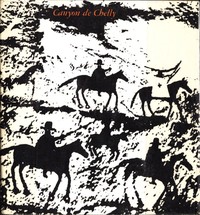
Canyon de Chelly: The Story of Its Ruins and People
Written by Zorro A. Bradley
Chaptra reads alongside you — AI insights, chapter breakdowns and reader discussions for every book. Join free
About this book
Reading guide
Themes, characters and key ideas in Canyon de Chelly: The Story of Its Ruins and People, written by Chaptra AI.
- about 8 hours
- intermediate
- Informative
- Historical
- Archaeological
Zorro A. Bradley's "Canyon de Chelly: The Story of Its Ruins and People" is a seminal historical and archaeological account published in the early 1970s, offering a comprehensive exploration of the iconic northeastern Arizona canyon. The book meticulously details the architectural ruins left by the ancient Anasazi (Ancestral Puebloan) people, interpreting artifacts and structures like White House, Antelope House, and Mummy Cave to illuminate their sophisticated farming and artisan cultures. It then transitions to the arrival and enduring presence of the Navajo (Diné) people, chronicling their way of life within the canyon and their interactions with European settlers. Bradley's work serves as an invaluable resource, synthesizing archaeological findings with cultural history to present a holistic narrative of human habitation and resilience in this majestic landscape. It underscores the profound cultural heritage and archaeological significance of Canyon de Chelly, making it essential reading for those interested in Native American history and the discipline of archaeology.
“The canyon walls echo with the silent stories of millennia, each ruin a testament to human ingenuity and resilience.”
Key themes
- Cultural Continuity and Resilience
- This theme explores how the human presence in Canyon de Chelly, despite significant historical shifts and challenges, demonstrates an enduring cultural spirit. It focuses on how the Navajo people have maintained their traditions and connection to the land even after the departure of the Anasazi and through periods of intense external pressure, illustrating the strength of indigenous cultures to adapt and persist.
- Human-Environment Interaction
- This theme examines the profound reciprocal relationship between the inhabitants of Canyon de Chelly and their unique natural environment. It details how the canyon's geology, water sources, and climate shaped the agricultural practices, architectural styles, and daily lives of both the Anasazi and Navajo, and how, in turn, human activity modified the landscape.
- Archaeological Interpretation and the Reconstruction of History
- This theme delves into the methods and challenges of understanding past civilizations through material remains. The book implicitly explores how archaeologists piece together fragments of evidence—pottery shards, architectural ruins, tools—to reconstruct daily life, social structures, and belief systems, demonstrating the interpretive nature of historical knowledge.
Worth discussing
How does Bradley's book demonstrate the interconnectedness of archaeological findings and cultural history in understanding a place like Canyon de Chelly?
Chapter-by-chapter breakdowns, character arcs and the full thematic analysis come with a free account.
Discussions
No one has started one yet
Questions this book opens up
No discussions yet
Be the first to start a discussion about this book!
Sign up to start the discussionReviews
No reviews yet
Be the first to review this book!