
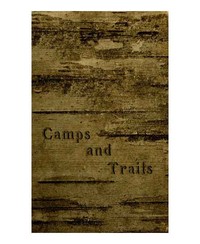
Camps and Trails
Written by Henry Abbott
Chaptra reads alongside you — AI insights, chapter breakdowns and reader discussions for every book. Join free
About this book
Reading guide
Themes, characters and key ideas in Camps and Trails, written by Chaptra AI.
- about 8 hours
- intermediate
- Adventurous
- Serene
- Reflective
Henry Abbott's "Camps and Trails" is an early 20th-century wilderness adventure narrative that immerses readers in the life of a hunter exploring the vast forests of Northern America. The book chronicles Abbott's hunting expeditions with his companion, Bige, detailing their practical experiences in tracking game, managing camp life, and navigating the challenging terrain. Beyond the thrill of the hunt, Abbott profoundly captures the serene beauty of the natural world and the essential skills required for survival in the wild. It serves as both a personal memoir reflecting a bygone era when such activities were a way of life, and an insightful guide to traditional woodcraft and the deep connection between humanity and nature.
“The wild demands patience and skill, rewarding those who truly understand its ancient rhythms.”
Key themes
- Man's Relationship with Nature
- This theme explores the deep, often spiritual, and practical connection between humans and the natural world. Abbott portrays nature not just as a backdrop but as an active entity that challenges, teaches, and nourishes the human spirit. The book emphasizes a respectful, knowledgeable engagement with the wilderness.
- Wilderness Survival and Traditional Skills
- The book serves as a testament to the crucial traditional hunting skills and camp management techniques necessary for thriving in the wilderness. It details the practical considerations of outdoor life, highlighting the self-reliance, observation, and resourcefulness required to navigate, hunt, and live off the land.
- The Thrill and Ethics of the Hunt
- Abbott explores the multifaceted experience of hunting, encompassing both the excitement and challenge of tracking and taking game, and the underlying respect for the animals and the ecosystem. It reflects a historical perspective where hunting was often a necessary activity for sustenance and a deeply ingrained cultural practice, presented with an emphasis on fair chase and responsible engagement.
Worth discussing
How does Abbott's portrayal of hunting reflect the values and necessities of his time, and how does it compare to modern perspectives on hunting?
Chapter-by-chapter breakdowns, character arcs and the full thematic analysis come with a free account.
Discussions
No one has started one yet
Questions this book opens up
No discussions yet
Be the first to start a discussion about this book!
Sign up to start the discussionReviews
No reviews yet
Be the first to review this book!