
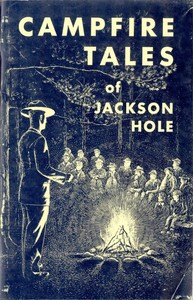
About this book
Reading guide
Themes, characters and key ideas in Campfire Tales of Jackson Hole, written by Chaptra AI.
- about 8 hours
- intermediate
- historical
- adventurous
- reflective
“Campfire Tales of Jackson Hole” is an anthology from the mid-20th century that compiles historical narratives exploring the rugged and captivating past of Jackson Hole, Wyoming. The collection vividly recounts the experiences of early mountain men, intrepid explorers, and the indigenous peoples who first inhabited the valley. Through a series of compelling anecdotes, it charts the region's transformation from a pristine wilderness rich in natural resources to a frontier shaped by fur trading, ranching, and European settlement. The work aims to foster a deeper connection with the area's heritage, celebrating the spirit of adventure and perseverance that defined its pioneers and original inhabitants.
“The spirit of adventure, as wild and untamed as the Tetons themselves, called to those who dared to answer.”
Key themes
- Human Perseverance and Adaptation
- This theme is central to nearly every tale, showcasing the incredible resilience and ingenuity required to survive and thrive in the harsh Jackson Hole wilderness. It explores how individuals and groups adapted to extreme weather, scarcity of resources, and isolation, highlighting their determination to overcome formidable obstacles.
- The Allure and Challenge of the Frontier
- The book deeply explores the dual nature of the American frontier: a place of irresistible attraction for its promise of freedom, wealth, and new beginnings, yet also a source of immense danger, solitude, and hardship. It examines what drew people to such a remote and untamed region and the price they paid for it.
- The Power and Beauty of the Natural World
- Jackson Hole's stunning natural environment is not just a backdrop but a character in itself. The stories emphasize its awe-inspiring beauty, its formidable power, and its role in shaping human lives and destinies. It explores the respect, fear, and deep connection people felt towards the landscape.
Worth discussing
How does the collection's mid-20th-century perspective influence its portrayal of historical events and peoples, particularly indigenous groups?
Chapter-by-chapter breakdowns, character arcs and the full thematic analysis come with a free account.
Discussions
No one has started one yet
Questions this book opens up
No discussions yet
Be the first to start a discussion about this book!
Sign up to start the discussionReviews
No reviews yet
Be the first to review this book!